
If you think you have symptoms of a vascular condition like peripheral arterial disease or peripheral vascular disease , getting a quick, accurate diagnosis means faster treatment and relief. AdventHealth Pepin Heart Institute is here to make getting that vascular disease diagnosis as easy as possible with our accredited vascular lab, which provides ultrasound and other diagnostic tests close to home.
Kajal Patel, a registered vascular technologist at AdventHealth Tampa and director of non-invasive vascular labs, AdventHealth West Florida Division, shares more about our vascular Lab and what to expect during your appointment.
Types of Vascular Disease
Vascular diseases are conditions that affect your blood vessels and circulatory system — the connections of arteries and veins that run throughout your body. These conditions include, but not limited to:
- Aneurisms
- Atherosclerosis
- Blood clots
- Carotid artery disease
- Pelvic congestion syndrome
- Peripheral arterial disease
- Renal vascular disease
- Varicose veins
Symptoms of Vascular Disease
While vascular disease symptoms vary depending on the specific condition, they often include:
- Discoloration of the skin
- Pain or cramping in the legs
- Sores or ulcers that don’t heal
- Swelling of the legs, feet or hands
- Visible veins on the legs
“When we’re working to diagnose vascular conditions, we often look for claudication, where you’re experiencing pain throughout your legs when you’re walking. That’s caused by arterial circulation,” says Kajal. “Venous circulation can cause different symptoms like swelling, lymphedema, skin changes or bulging varicose veins.”
What is Vascular Ultrasound?
Vascular ultrasound, also known as a duplex study, is a type of diagnostic procedure used to see if you have different types of vascular disease. Depending on your symptoms, your provider will recommend one or more types of ultrasounds.
“In our vascular lab, we do a variety of vascular ultrasounds which involve your arteries and veins that supply the blood flow to your tissues, muscles and organs,” says Kajal. “Anywhere in your body where you have arteries and veins, we look for the blood flow in those areas and find out if everything is okay or identify if there are any issues.”
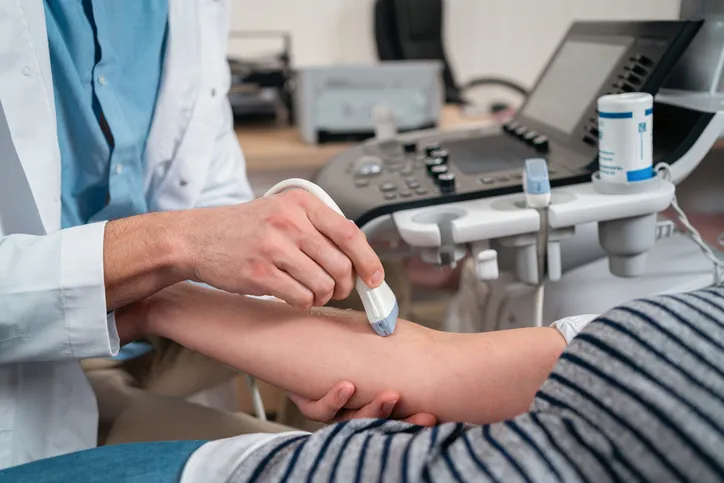
During this noninvasive procedure, an ultrasound technician (a medical licensed professional specially trained in delivering vascular ultrasounds), will use high-frequency sound waves to capture images of your arteries, veins and soft tissues.
Our vascular lab is an accredited facility for vascular testing according to the Intersocietal Accreditation Commission (IAC), which recognizes AdventHealth’s commitment to providing quality testing for the diagnosis of vascular disease. The lab is an accredited lab in the region for peripheral arterial, peripheral venous, visceral and extracranial blood flow.
Vascular ultrasound is one diagnostic tool your provider may recommend. They may also suggest other imaging services such as:
- Angiograms, or X-rays of your blood flow
- CT scans
- MRIs
- X-rays
What to Expect During Vascular Ultrasound
You won’t need to do anything to prepare for the procedure, though your care team may recommend fasting before specific kinds of ultrasounds on your abdomen, for example. You’ll start by lying down on a flat table. Your technician will apply some gel to your skin in the area they’ll be looking at and will then use a special tool called a transducer, which is applied against the skin, to examine different parts of your body.
This procedure is extremely safe, and you’ll be able to resume your normal activities immediately afterward.
If you’re diagnosed with a vascular condition after your ultrasound, your care team will work with you to find the right treatment options. These may include:
- Dietary counseling
- Medication
- minimally invasive endovascular procedures (angioplasty, stenting, etc.)
- Surgery (surgical bypass, endarterectomy, etc.)
- In-office vein procedures such as ablations, microphlebectomy, and sclerotherapy)
Leading Technology, Leading Treatments
From advanced diagnostics to interventions to ease symptoms or cure vascular conditions, Pepin Heart Institute at AdventHealth Tampa’s care teams are with you at every step to support your wellbeing. Learn more.
5 items. To interact with these items, press Control-Option-Shift-Right Arrow.