Back in control after prostate cancer
A new therapy treats urinary incontinence after prostate cancer treatment.

For many men, beating prostate cancer comes with a significant side effect: urinary incontinence. But men now have more options than ever to deal with this common treatment side effect.
“There is an increasing array of options for treating urinary incontinence,” says Nathaniel Coddington, MD, a functional reconstructive urologist with AdventHealth Medical Group Urology at DTC. “We’re better at helping men regain their quality of life than ever before.”
Understanding Post-Surgery Incontinence
Up to one in five men who undergoes prostate cancer treatment experiences bladder leakage that doesn’t improve over time, Dr. Coddington says. For many, this means a few drops during vigorous activity. But for a small percentage, the problem can be much more severe.
“They can’t go out and be social, they can’t exercise, and they often struggle with depression and weight gain,” Dr. Coddington says. “That kind of severe case is rare, but it can be devastating.”
New Treatment Options
For decades, the only option for severe incontinence was a surgically implanted device called an artificial urinary sphincter, which includes a pump that must be squeezed to allow urination. While effective, this approach can be cumbersome for some patients.
Today, men have more choices, including the ProACT system — a minimally invasive option that has brought relief to many of Dr. Coddington’s patients.
The ProACT system consists of two small, adjustable silicone balloons that are implanted near the bladder neck, where the prostate was once located. These balloons, which are connected to small ports under the skin, can be easily adjusted in the doctor’s office to provide the right amount of support, helping to prevent leaks.
“ProACT is going to make a lot of men a lot happier,” Dr. Coddington says.
Looking to the Future
With these advances in treatment, a prostate cancer diagnosis doesn’t have to be as daunting as it once was.
“When you see a urologist to discuss options, be aware there are new developments in this field,” Dr. Coddington says. “Oncologists work to give you quantity of life, and we give quality of life.”
To Test or Not to Test
Prostate cancer is the second-leading cause of cancer death in men, but early detection can make a significant difference. The five-year survival rate for prostate cancer found early is 99.8%, according to the CDC.
The first step in prostate cancer screening is a simple blood test called the prostate-specific antigen (PSA) test. Thanks to advances in biomarker testing, today’s methods are better at identifying aggressive cancers, reducing the risk of unnecessary treatment.
“We’ve come a long way,” says Nathaniel Coddington, MD, a functional reconstructive urologist with AdventHealth Medical Group. “We’re much better at treating men who need to be treated and not treating those who don’t.”
When to consider screening:
Callout
99.8%
The five-year survival rate for prostate cancer when found early.
Are You Ready to Take Control?
Take the first step toward reclaiming your quality of life after prostate cancer surgery. Call AdventHealth Medical Group Urology at DTC to schedule a consultation at Call303-649-3710.
_________________________________________________________________________________________________________________________________________

Nate Coddington, MD, is a functional reconstructive urologist who treats patients of all ages. He provides care for urinary obstruction from the kidney to the urethra, urinary incontinence and prostate cancer survivorship. As part of his practice, he performs urinary fistula robotic reconstruction, urethroplasty, incontinence and implant surgery, including artificial urinary sphincter, ProACT procedures, sling surgery, urinary fistula and grafting.
Dr. Coddington is motivated by bringing restoration to people’s lives. He pursued a career in reconstructive urology to help return the quality of life his patients deserve. He loves the reward of seeing his work’s positive impact on people.
Dr. Coddington earned his medical degree at Washington University in St Louis. He completed his residency at the University of Texas Health Science Center and his genitourinary reconstructive surgery fellowship at the University of Colorado.
Schedule a visit with Dr. Coddington here.

This marks the third year in a row AdventHealth Shawnee Mission has appeared on the U.S. News & World Report’s list of Best Hospitals for Maternity Care.
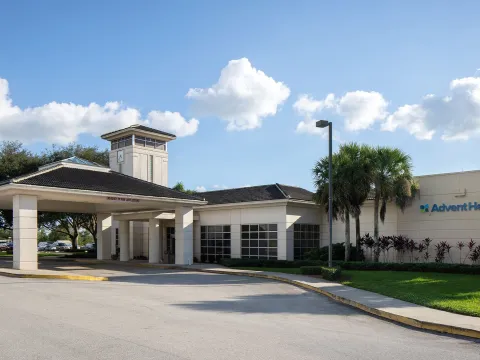
AdventHealth Lake Placid has launched a new Low Dose Lung Screening CT program, bringing this life-saving service closer to home for people who live in and around Lake Placid.
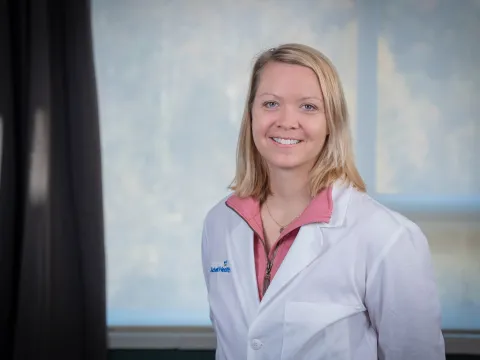
AdventHealth is welcoming Beth Mitchell, PA-C, an experienced orthopedic provider bringing warm, whole-person care to patients across Haywood County and the surrounding Western North Carolina region.

When Marc Marasigan went to the Emergency Department at AdventHealth Sebring, he thought he was dealing with a stubborn fever and some back pain. Instead, that visit uncovered a kidney stone and a...
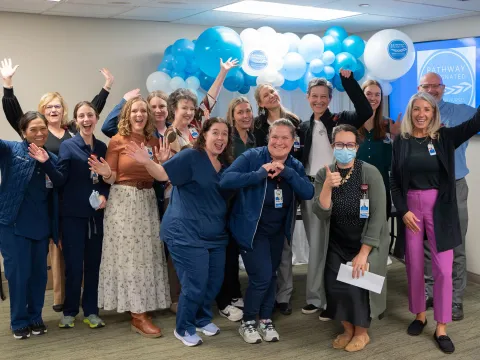
AdventHealth Hendersonville has been designated as a Pathway to Excellence® organization by the American Nurses Credentialing Center (ANCC), a recognition that highlights the hospital’s commitment to...

AdventHealth Medical Group is pleased to announce that Family Nurse Practitioner, Tiffany Robertson, MSN, APRN, FNP-C, has joined our team at AdventHealth Multispecialty Clinic Foothills* in Polk...

AdventHealth welcomes Lauren Patton PA-C to expand compassionate orthopedic care in Hendersonville and support whole-person healing.

AdventHealth Heart of Florida in Davenport has opened its newly renovated Cardiac Catheterization (Cath) Lab, featuring advanced technology to help more patients receive life-saving heart care close...

AdventHealth Parker is providing specialized lung cancer screenings for firefighters, who face an increased risk of cancer due to job exposures.

Community members cut the ribbon on the new sixth floor of the hospital’s North Tower, adding 24 patient beds.

Dr. Abubaker Ali joined FOX 35’s HouseCalls to share how robotic surgery is transforming care for patients across Flagler, Volusia and Lake counties. He highlighted how this technology supports...
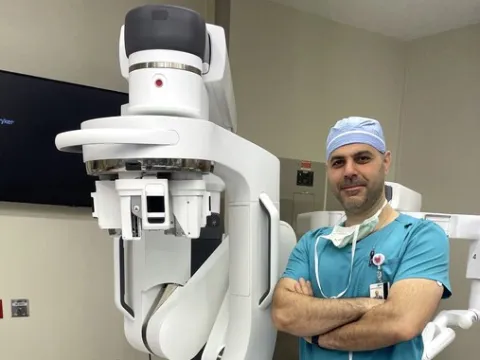
People living with inflammatory bowel disease (IBD) now have access to one of the newest, most advanced and minimally invasive surgical treatments available in the country at AdventHealth Tampa.
