

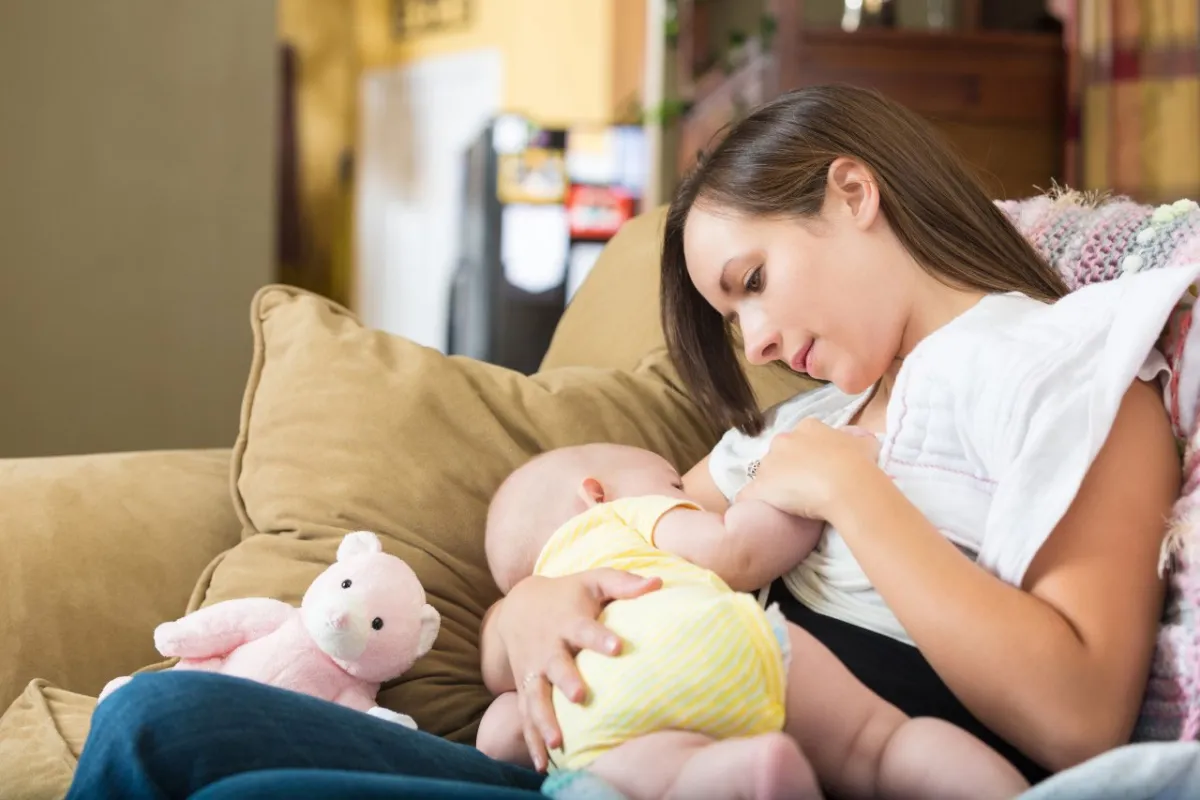
As August marks National Breastfeeding Month, we’re spotlighting the vital role of lactation support and the seasonal challenges that nursing mothers face. Nicola Harden-Bent, a lactation consultant at AdventHealth Avista’s New Life Center, offers practical, compassionate guidance for breastfeeding families—especially during the summer heat.
Summer heat and breastfeeding: A hidden strain
“Think of breastfeeding in the summer like training in the heat,” says Harden-Bent. “Both mom and baby are vulnerable to dehydration and overheating.” She explains that mothers may experience fatigue, dizziness, and even a drop in milk supply due to fluid loss. Babies, with their limited ability to regulate temperature, can overheat quickly—especially when held close during nursing.
To stay safe, Harden-Bent recommends:
- Nursing in shaded, well-ventilated areas
- Wearing loose, breathable clothing
- Placing a light cotton layer between mother and baby to absorb sweat
- Avoiding heavy swaddling
One subtle but important sign of dehydration in both mom and baby? Lethargy. “It’s easy to overlook because everyone feels tired in the heat,” she notes.
Hydration and nutrition tips
Harden-Bent emphasizes that thirst is a late sign of dehydration. “Drink a variety of fluids, avoid caffeine, and wash reusable bottles daily to prevent bacteria buildup,” she advises. While beverages like coconut water or electrolyte drinks may help, she stresses that milk supply is primarily driven by frequent breastfeeding.
As for diet, there’s no magic food—but a balanced, minimally processed, organic diet paired with prenatal vitamins supports both mother and baby’s health.
Common misconceptions and early struggles
Many new moms expect breastfeeding to come naturally, but Harden-Bent reminds us that it’s a learning curve. “The transition from colostrum to milk, and adapting to a newborn’s feeding rhythm, takes time,” she says. Her advice? “Get help early. Reach out to hospital lactation consultants or community resources.”
Support systems matter
Partners and families play a crucial role. “Be present,” she urges. “Attend classes, help with household tasks, and set up for feeds before the baby wakes. It’s the little things that make a big difference.”
Trends and the role of lactation consultants
Harden-Bent has observed more mothers entering pregnancy with chronic health conditions, which can complicate breastfeeding. She encourages both parents to prioritize health before conception. And while books and social media offer general advice, she believes nothing replaces the personalized care of an International Board Certified Lactation Consultant (IBCLC).
AdventHealth’s ongoing support
AdventHealth Avista offers robust post-discharge support:
- 24/7 phone support from IBCLCs by calling Call303-673-1088
- Free one-on-one consults with IBCLCs
- A weekly drop-in support group (Wednesdays, 10–11:30 am in the Spicer Conference Room)
- A Facebook community: Front Range Moms, Babies and Kids, moderated by fellow Avista Lactation Consultant, Stephanie Moore
Final words of wisdom
“Knowledge is power,” Harden-Bent says. “Take a class or do some reading before delivery. And when in doubt—ask for help.”
12 items. To interact with these items, press Control-Option-Shift-Right Arrow. These items are in a slider. To advance slider forward, press Shift-Command-Right Arrow. To advance slider backward, press Shift-Command-Left Arrow.



Video
AdventHealth purchases 17 acres in DeLand
AdventHealth purchases 17 acres in DeLand
News
Albit Paoli, MD joins AdventHealth Medical Group Orthopedics & Sports Medicine
AdventHealth is pleased to announce that Albit Paoli, MD, has joined AdventHealth Medical Group Orthopedics & Sports Medicine at Calhoun and AdventHealth Medical Group Orthopedics & Sports Medicine at...
News
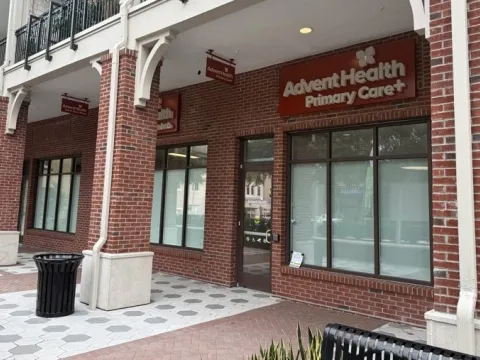
AdventHealth expands access to primary care in the heart of DeLand
AdventHealth has opened a new Primary Care+ location in the heart of downtown DeLand, giving residents a simple way to get everyday care close to where life happens. The primary care practice offers...
News
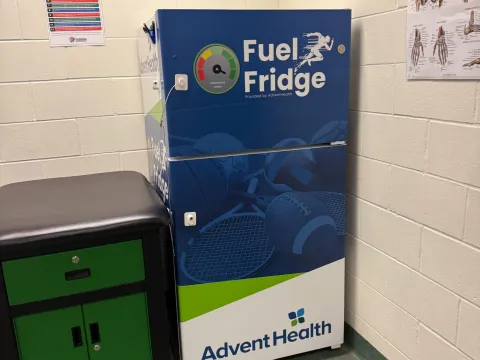
Fueling healthy futures for Flagler’s student athletes
Early practices, full class schedules, and evening games can push student athletes to their limits, and proper nutrition is essential to keeping them strong and focused. AdventHealth has introduced...
News
AHMG Cardiology at Dalton earns nuclear cardiology accreditation
AdventHealth Medical Group Cardiology at Dalton has earned a three-year accreditation in Nuclear Cardiology from the Intersocietal Accreditation Commission (IAC).
Press Release
New orthopedic provider expands access to compassionate care for families in WNC
AdventHealth is welcoming Beth Mitchell, PA-C, an experienced orthopedic provider bringing warm, whole-person care to patients across Haywood County and the surrounding Western North Carolina region.
News
When seconds count: How a community of heroes saved one little girl
It was a day like any other — until the phone rang. For Ellison’s mom, that call froze time: “You need to get here right away.”
News
AdventHealth expands neurology services in West Volusia
Board-certified neurologist Dr. Zarmina Mufti has joined AdventHealth Medical Group and is now caring for patients at AdventHealth, expanding access to expert, whole-person neurological care for...
Press Release
Avon Park man receives innovative, non-invasive prostate treatment now available in Highlands County
When Marc Marasigan went to the Emergency Department at AdventHealth Sebring, he thought he was dealing with a stubborn fever and some back pain. Instead, that visit uncovered a kidney stone and a...
News
Pursuing excellence in knee surgery: Colorado Joint Replacement hosts Insall Traveling Fellowship
The international program that brings leading knee surgeons together to learn, collaborate and elevate the future of joint care.
Press Release
Strengthening patient care in WNC: AdventHealth Hendersonville earns new nursing recognition
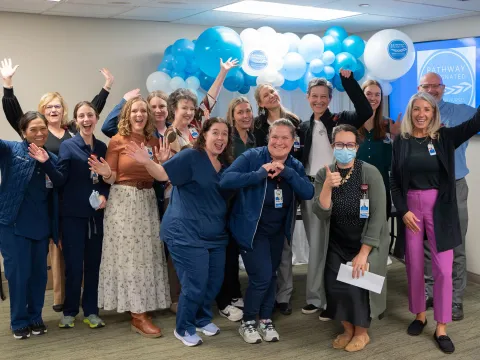
AdventHealth Hendersonville has been designated as a Pathway to Excellence® organization by the American Nurses Credentialing Center (ANCC), a recognition that highlights the hospital’s commitment to...
News
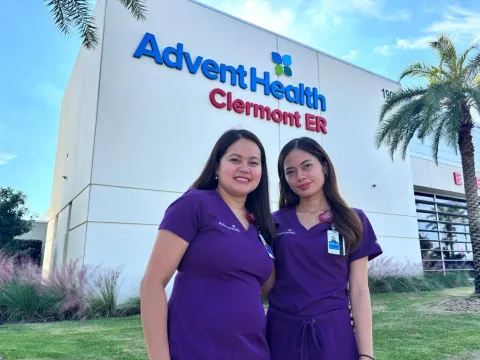
An ocean between them, and a calling that reunited them
After seven years apart, sisters Maricar Olsen and Ermeliza Ortiz were reunited in a place they both now call home. Their journey from the Philippines to Central Florida is a story of faith, family...