


Acetaminophen, commonly known by the brand name Tylenol, has been a staple in medicine cabinets since its clinical introduction in 1955. As the most widely used analgesic-antipyretic in the United States, it is found in hundreds of over-the-counter and prescription medications. However, despite its widespread use and general safety at therapeutic doses (up to 4000 mg every 24 hours), acetaminophen carries hidden dangers that can lead to severe liver damage.
Dr. Mauricio Orrego, a transplant hepatologist at AdventHealth Porter, sheds light on the risks associated with this common medication. “We see around 5-6 patients a year who experience liver damage from Tylenol,” he notes. Many of these individuals are unaware that their liver is being harmed, especially those with pre-existing conditions like cirrhosis. “We are very clear with our patients, especially those with cirrhosis, that they should not take more than 1.5-2.0 grams a day,” Dr. Orrego emphasizes.
The danger lies in the dose. Toxicity is likely to occur with single ingestions greater than 250 mg/kg or more than 12 grams over a 24-hour period. Even repeated therapeutic or slightly excessive doses can be hepatotoxic in susceptible individuals, such as those with alcohol use disorders. Acetaminophen is one of the most commonly reported products causing drug-induced liver injury and is the leading cause of acute liver failure in the United States, accounting for 50 percent of all reported cases and approximately 20 percent of liver transplant cases.
Dr. Orrego explains that acetaminophen is often combined with other medications, especially opioids, which can lead to unintentional overdosing. “It is safe to have at least 4 grams a day, but the important thing to know with this medication is that the toxicity is dose dependent,” he says.
When it comes to managing pain, Dr. Orrego advises patients to adhere strictly to the recommended daily dose and consider alternative options depending on their underlying health conditions. “If Tylenol does not improve pain, consider NSAIDs or consult your doctor for an evaluation and advice,” he recommends.
Despite the risks, Dr. Orrego acknowledges the effectiveness of Tylenol when used correctly. “Tylenol is a good medication for pain relief, but the excess of this medication can produce liver toxicity. It is safe to take the recommended dose,” he concludes.
This article serves as a reminder that even the most common medications can pose serious health risks if not used responsibly. Always consult with a health care provider before making changes to your medication regimen.

Mauricio Orrego, MD, FAASLD, is committed to delivering the best medical care possible, individualized to meet the unique needs of each patient. He believes patients’ families are complementary to the healing process and invites them to be active participants in their loved one’s care.
Dr. Orrego’s clinical practice focuses on diagnosing and treating patients with advanced and/or chronic liver disease, including the evaluation and management of patients before and after liver transplant. He has a special interest in liver cancer, viral hepatitis and portal hypertension.
To learn more, please visit: Mauricio Orrego, MD, FAASLD | Transplant Hepatology | Denver, CO | AdventHealth
12 items. To interact with these items, press Control-Option-Shift-Right Arrow. These items are in a slider. To advance slider forward, press Shift-Command-Right Arrow. To advance slider backward, press Shift-Command-Left Arrow.




Video
AdventHealth purchases 17 acres in DeLand
AdventHealth purchases 17 acres in DeLand
News
Albit Paoli, MD joins AdventHealth Medical Group Orthopedics & Sports Medicine
AdventHealth is pleased to announce that Albit Paoli, MD, has joined AdventHealth Medical Group Orthopedics & Sports Medicine at Calhoun and AdventHealth Medical Group Orthopedics & Sports Medicine at...
News
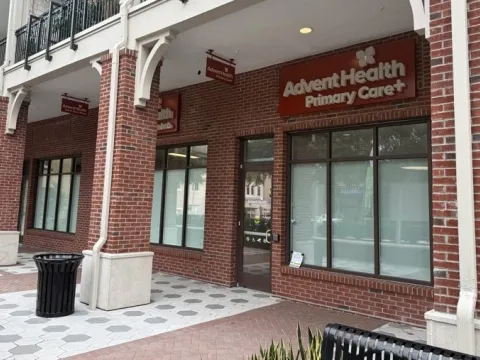
AdventHealth expands access to primary care in the heart of DeLand
AdventHealth has opened a new Primary Care+ location in the heart of downtown DeLand, giving residents a simple way to get everyday care close to where life happens. The primary care practice offers...
News
Fueling healthy futures for Flagler’s student athletes
Early practices, full class schedules, and evening games can push student athletes to their limits, and proper nutrition is essential to keeping them strong and focused. AdventHealth has introduced...
News
AHMG Cardiology at Dalton earns nuclear cardiology accreditation
AdventHealth Medical Group Cardiology at Dalton has earned a three-year accreditation in Nuclear Cardiology from the Intersocietal Accreditation Commission (IAC).
Press Release
New orthopedic provider expands access to compassionate care for families in WNC
AdventHealth is welcoming Beth Mitchell, PA-C, an experienced orthopedic provider bringing warm, whole-person care to patients across Haywood County and the surrounding Western North Carolina region.
News
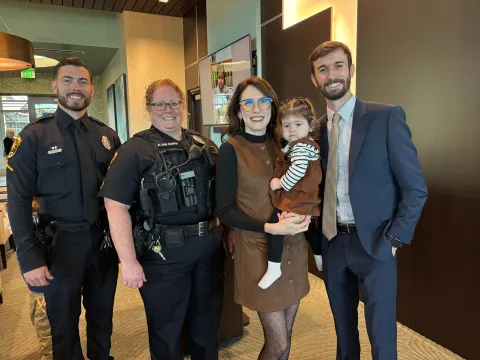
When seconds count: How a community of heroes saved one little girl
It was a day like any other — until the phone rang. For Ellison’s mom, that call froze time: “You need to get here right away.”
News
AdventHealth expands neurology services in West Volusia
Board-certified neurologist Dr. Zarmina Mufti has joined AdventHealth Medical Group and is now caring for patients at AdventHealth, expanding access to expert, whole-person neurological care for...
Press Release
Avon Park man receives innovative, non-invasive prostate treatment now available in Highlands County
When Marc Marasigan went to the Emergency Department at AdventHealth Sebring, he thought he was dealing with a stubborn fever and some back pain. Instead, that visit uncovered a kidney stone and a...
News
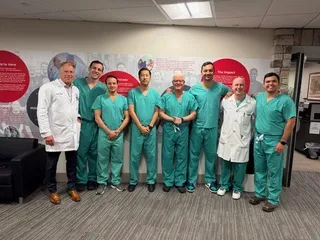
Pursuing excellence in knee surgery: Colorado Joint Replacement hosts Insall Traveling Fellowship
The international program that brings leading knee surgeons together to learn, collaborate and elevate the future of joint care.
Press Release
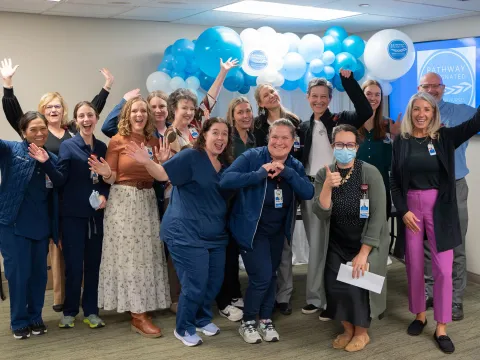
Strengthening patient care in WNC: AdventHealth Hendersonville earns new nursing recognition
AdventHealth Hendersonville has been designated as a Pathway to Excellence® organization by the American Nurses Credentialing Center (ANCC), a recognition that highlights the hospital’s commitment to...
News
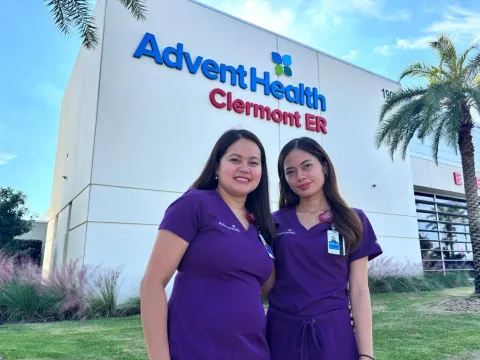
An ocean between them, and a calling that reunited them
After seven years apart, sisters Maricar Olsen and Ermeliza Ortiz were reunited in a place they both now call home. Their journey from the Philippines to Central Florida is a story of faith, family...