Easing the winter blues: Experts share how to restore wholeness to body, mind and spirit
Connection, movement, light therapy and mindful care can help lift your mood and bring balance back during the darker winter months.


As daylight hours lessen, daylight savings time begins and schedules swells, many people may notice a dip in mood and energy. For some, those feelings go beyond the “winter blues.”
Seasonal Affective Disorder, or SAD, is a form of depression linked to reduced daylight during the fall and winter months, when people’s bodies and routines shift.
With awareness, simple daily choices and the right support, whole-person health can be possible throughout every season.
“Faith and gratitude remind us that even in life’s darker seasons, light and hope can always be found.”

Causes and symptoms of SAD
“The exact cause of SAD isn’t fully understood and can be triggered by different factors for different people,” said Brad Sjostrom, LCSW, MAC, AdventHealth Porter’s director of behavioral health. “But shorter days mean less vitamin D production, which affects serotonin, the brain chemical that helps regulate mood.”
The symptoms often mirror those of major depression, including persistent sadness, loss of interest in enjoyable activities, changes in sleep or appetite, low energy and difficulty concentrating.
“While SAD occurs more often in regions with less daylight, holiday stress can heighten its impact for anyone, regardless of where they live,” he said.
Healing through connection and community

Social connection can also help combat the symptoms of SAD.
“When you’re feeling down, it’s natural to want to stay home or keep to yourself,” said Joe Oria, Licensed Clinical Social Worker (LCSW) and AdventHealth Porter’s behavioral health clinical supervisor. “But being around people who care about you -- like friends, family or even coworkers -- can be one of the most beneficial ways to support mental health and start feeling better.”
Cultivating mindfulness, gratitude and balance
Alongside connection, mindfulness and gratitude are also meaningful ways to restore balance to the body, mind and spirit.
“Start with simple, mindful practices, like journaling to nurture gratitude and grounding,” Oria said. “Writing down what you are grateful for helps shift your focus toward hope and possibility.”
The holidays can bring about joy and togetherness, but that can also come with hectic schedules, high expectations and emotional strain. Both experts emphasize the importance of balance and self-care, noting that it’s perfectly OK to rest or decline an invitation.
“Healthy boundaries are important for both mental health and whole-person health,” Oria said. “When we rest, we make room for practices that can bring joy and peace.”

Renewing energy through light and movement
In addition to setting boundaries, creating a routine centered on light can be beneficial.
“Spending time outside, even for a short walk, can make a real difference,” Sjostrom said. “Light exposure, regular movement and steady sleep patterns help the body regulate mood and energy. Even something as simple as opening the blinds during the day can help.”
When natural light is limited, light box therapy can signal the body to stay awake and help regulate mood and energy. Used briefly each day, these special lamps safely simulate sunlight and support the body’s natural balance.
“It’s an easy, effective option that works well for many people,” Sjostrom said. “Combined with other healthy habits, this tool can help the body maintain a healthier rhythm through the darker months.”
Embracing wholeness in every season
Additionally, professional counseling or therapy can provide space to process emotions, strengthen mental health and build practical tools for healing, another way to nurture balance in whole-person health.
“A spiritual relationship -- whether through prayer, meditation or quiet reflection -- can help bring peace and purpose to body, mind and spirit,” Oria said. “Faith and gratitude remind us that even in life’s darker seasons, light and hope can always be found.”
SAD is a reminder of how closely the body, mind and spirit are connected.
“The winter months can challenge energy and mood, but they can also remind us to slow down and care deeply for ourselves and others,” Oria said. “Whether it’s a walk in the sunshine, a moment of reflection or a conversation with someone who listens, each step toward balance can help you feel more whole.”

AdventHealth purchases 17 acres in DeLand

AdventHealth is pleased to announce that Albit Paoli, MD, has joined AdventHealth Medical Group Orthopedics & Sports Medicine at Calhoun and AdventHealth Medical Group Orthopedics & Sports Medicine at...

AdventHealth has opened a new Primary Care+ location in the heart of downtown DeLand, giving residents a simple way to get everyday care close to where life happens. The primary care practice offers...

Early practices, full class schedules, and evening games can push student athletes to their limits, and proper nutrition is essential to keeping them strong and focused. AdventHealth has introduced...

AdventHealth Medical Group Cardiology at Dalton has earned a three-year accreditation in Nuclear Cardiology from the Intersocietal Accreditation Commission (IAC).
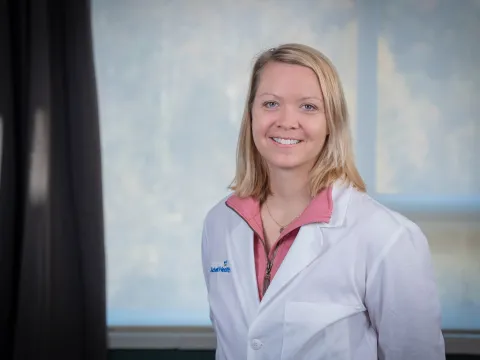
AdventHealth is welcoming Beth Mitchell, PA-C, an experienced orthopedic provider bringing warm, whole-person care to patients across Haywood County and the surrounding Western North Carolina region.
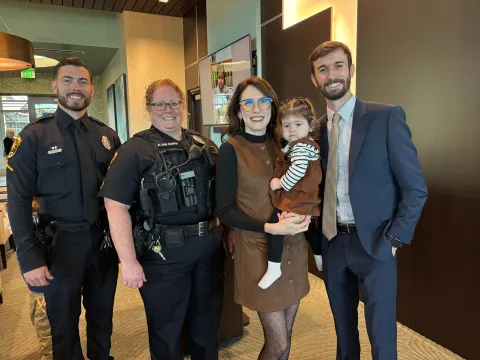
It was a day like any other — until the phone rang. For Ellison’s mom, that call froze time: “You need to get here right away.”

Board-certified neurologist Dr. Zarmina Mufti has joined AdventHealth Medical Group and is now caring for patients at AdventHealth, expanding access to expert, whole-person neurological care for...

When Marc Marasigan went to the Emergency Department at AdventHealth Sebring, he thought he was dealing with a stubborn fever and some back pain. Instead, that visit uncovered a kidney stone and a...

The international program that brings leading knee surgeons together to learn, collaborate and elevate the future of joint care.
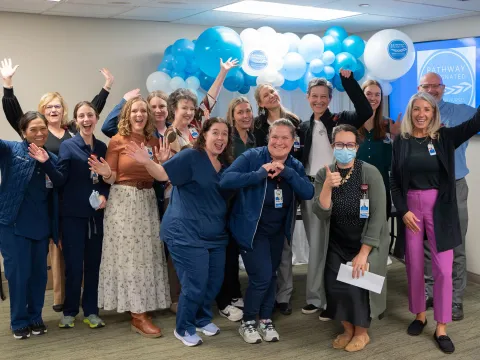
AdventHealth Hendersonville has been designated as a Pathway to Excellence® organization by the American Nurses Credentialing Center (ANCC), a recognition that highlights the hospital’s commitment to...

After seven years apart, sisters Maricar Olsen and Ermeliza Ortiz were reunited in a place they both now call home. Their journey from the Philippines to Central Florida is a story of faith, family...
