Closer look
Women with dense breasts should consider extra cancer screening.



AdventHealth purchases 17 acres in DeLand
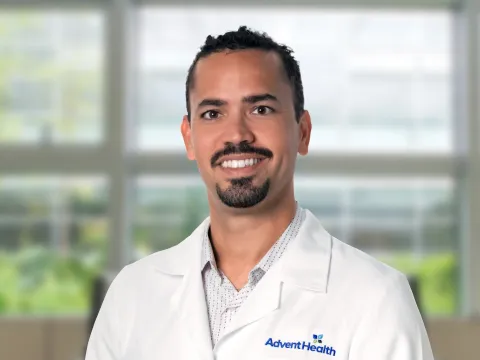
AdventHealth is pleased to announce that Albit Paoli, MD, has joined AdventHealth Medical Group Orthopedics & Sports Medicine at Calhoun and AdventHealth Medical Group Orthopedics & Sports Medicine at...
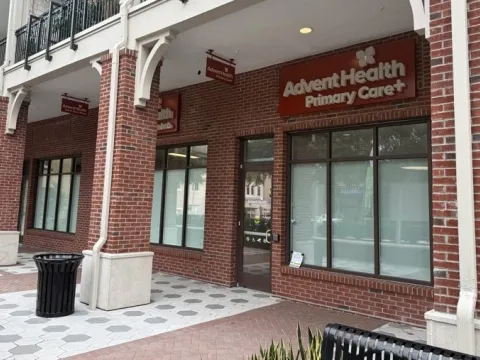
AdventHealth has opened a new Primary Care+ location in the heart of downtown DeLand, giving residents a simple way to get everyday care close to where life happens. The primary care practice offers...
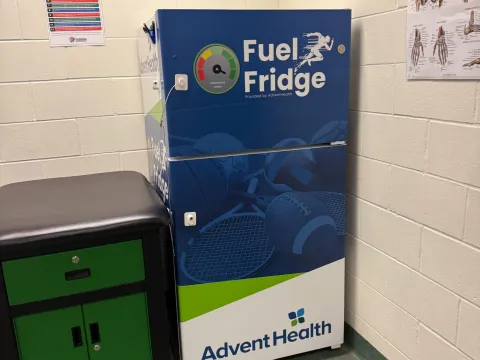
Early practices, full class schedules, and evening games can push student athletes to their limits, and proper nutrition is essential to keeping them strong and focused. AdventHealth has introduced...
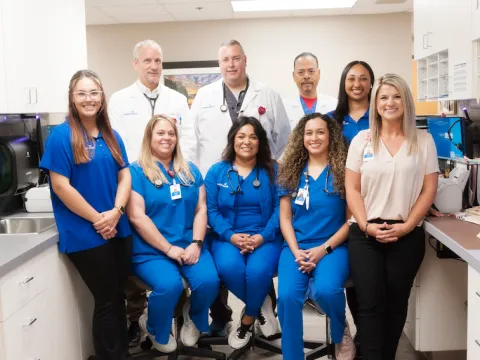
AdventHealth Medical Group Cardiology at Dalton has earned a three-year accreditation in Nuclear Cardiology from the Intersocietal Accreditation Commission (IAC).
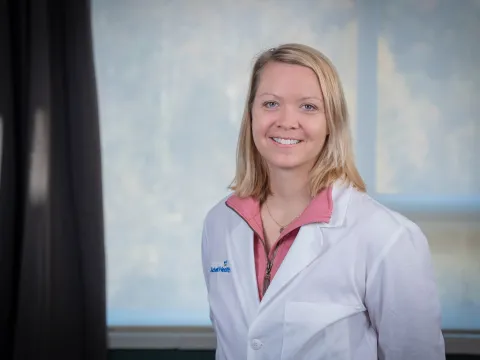
AdventHealth is welcoming Beth Mitchell, PA-C, an experienced orthopedic provider bringing warm, whole-person care to patients across Haywood County and the surrounding Western North Carolina region.
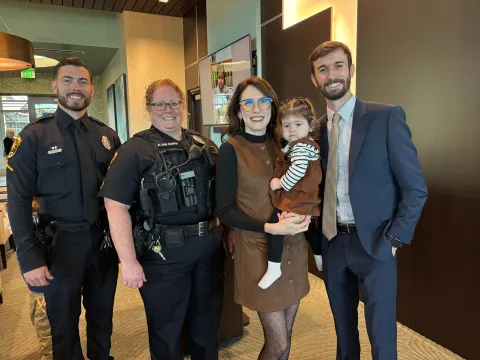
It was a day like any other — until the phone rang. For Ellison’s mom, that call froze time: “You need to get here right away.”
Board-certified neurologist Dr. Zarmina Mufti has joined AdventHealth Medical Group and is now caring for patients at AdventHealth, expanding access to expert, whole-person neurological care for...

When Marc Marasigan went to the Emergency Department at AdventHealth Sebring, he thought he was dealing with a stubborn fever and some back pain. Instead, that visit uncovered a kidney stone and a...
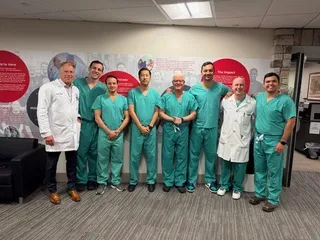
The international program that brings leading knee surgeons together to learn, collaborate and elevate the future of joint care.
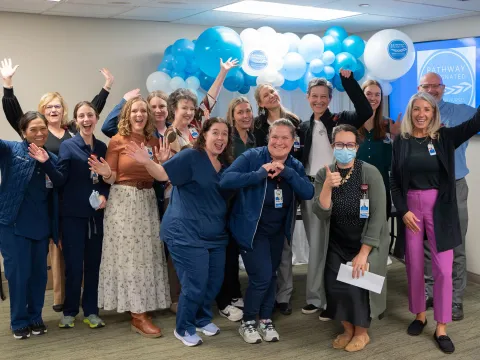
AdventHealth Hendersonville has been designated as a Pathway to Excellence® organization by the American Nurses Credentialing Center (ANCC), a recognition that highlights the hospital’s commitment to...
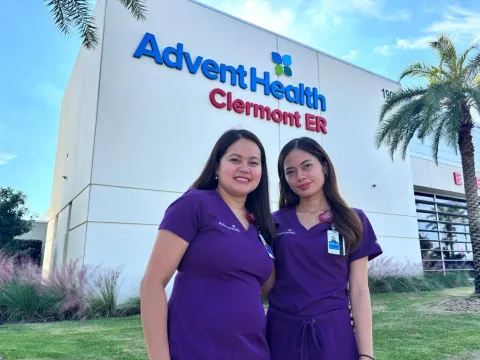
After seven years apart, sisters Maricar Olsen and Ermeliza Ortiz were reunited in a place they both now call home. Their journey from the Philippines to Central Florida is a story of faith, family...
