


To lower the risk of cancer, it's essential to adopt a healthy lifestyle. This includes not using tobacco products, maintaining a healthy weight, engaging in regular physical activity, eating a balanced diet rich in fruits and vegetables, limiting alcohol consumption, and protecting yourself from excessive sun exposure. Dr. Mohammed Salhab, a hematologist and oncologist with AdventHealth Hematology and Oncology Denver shares insightful advice on ways to lower cancer risk:
Diet and Hydration
While no single food can prevent cancer, a diet rich in fruits, vegetables, whole grains, and beans can lower your risk. Staying hydrated by drinking plenty of water is also crucial for overall health. Although there's no specific water intake target proven to directly lower cancer risk, some studies suggest a link between sufficient fluid intake and a reduced risk of certain cancers, particularly bladder and colon cancer.
The National Academy of Medicine recommends about 13 cups (2.6 liters) of fluids daily for healthy men and 9 cups (1.8 liters) for healthy women. The American Cancer Society suggests drinking at least 8 cups of liquid a day.
Recent studies indicate that regular yogurt consumption and a diet rich in calcium, including dairy products, may be associated with a lower risk of colon cancer, particularly Bifidobacterium-positive proximal colon cancer. A healthy gut microbiome, rich in beneficial bacteria, can play a crucial role in cancer prevention and treatment, impacting both the development and progression of tumors. However, more research is needed to establish a definitive causal link and understand the mechanisms involved.
Common Cancer Risk Factors
Several well-known factors can increase the risk of cancer:
- Tobacco Use: Smoking is a major cause of cancer, particularly lung cancer, and also increases the risk of cancers in the mouth, throat, esophagus, bladder, and kidneys.
- Obesity: Being overweight or obese is linked to an increased risk of several cancers, including those of the esophagus, stomach, liver, and kidney.
- Alcohol Consumption: Excessive alcohol intake is associated with a higher risk of cancers of the mouth, throat, esophagus, liver, breast, and colon.
- Sun Exposure: Prolonged and unprotected exposure to ultraviolet (UV) radiation from the sun can lead to skin cancer, including melanoma.
- Physical Inactivity: A sedentary lifestyle is linked to an increased risk of certain cancers, such as colorectal cancer.
- Dietary Factors: Consuming a diet high in processed meats, red meats, and saturated fats, and low in fruits, vegetables, and fiber, can increase the risk of certain cancers.
- Infections: Certain infections, such as human papillomavirus (HPV) and Hepatitis B, can increase the risk of specific cancers.
- Family History: Having a family history of cancer can increase your risk, as some cancers have a genetic component.
Less Common or Well-Known Risk Factors
- Occupational Exposures: Exposure to certain chemicals, asbestos, or radiation in the workplace can increase the risk of certain cancers, such as lung cancer.
- Air Pollution: Exposure to air pollution has been linked to an increased risk of lung cancer.
- Medications: Some medications, such as postmenopausal hormone therapy, can increase the risk of certain cancers, while others, like aspirin, may offer some protection.
- Stress: Chronic stress may play a role in cancer development, although more research is needed.
- Age: As people age, their risk of developing cancer increases.
Importance of Regular PCP Visits
For general cancer prevention, the United States Preventive Services Task Force (USPSTF) recommends that people under 50 see their primary care physician (PCP) every three years, while those over 50 should have an annual checkup. Specific cancer screening recommendations vary by age, sex, family history, and risk factors, so it's essential to discuss your individual needs with your PCP.
Why Regular PCP Visits Matter
- Regular checkups allow for early detection of potential health issues, including cancer, which can improve treatment outcomes.
- PCPs can assess your individual cancer risk factors and recommend appropriate screening and prevention strategies.
- PCPs can provide guidance on healthy behaviors, such as smoking cessation, healthy eating, and regular exercise, which can reduce cancer risk.
- PCPs play a crucial role in coordinating your care and providing ongoing support.
Rising Cancer Rates in Younger Adults
Recent studies indicate that certain cancers, particularly those affecting the digestive system, are on the rise in younger adults, with increases seen in colorectal, breast, pancreatic, and gastric cancers. It's important to be proactive in reporting abnormal symptoms early to your PCP and to engage with cancer screening programs in a timely manner. Prevention is better than cure!
General Advice to Lower Cancer Risk in Your 20s and 30s
- Aim for a healthy weight range through a balanced diet and regular physical activity.
- Focus on fruits, vegetables, whole grains, and lean protein.
- Engage in regular physical activity, aiming for at least 150 minutes of moderate-intensity activity or 75 minutes of vigorous-intensity activity per week.
- Quitting or avoiding tobacco products is crucial, as smoking is a significant risk factor for many cancers.
- If you choose to drink alcohol, do so in moderation, as excessive alcohol consumption increases the risk of certain cancers.
- Protect your skin from excessive sun exposure by wearing sunscreen and seeking shade, especially during peak hours.
- Discuss cancer screening recommendations with your doctor and get screened regularly for cancers like cervical cancer, breast cancer, and colon cancer at the recommended ages. Maintain regular visits with your PCP at least every three years.
- Be aware of your family's cancer history and discuss it with your doctor, as some cancers have a genetic component.
- Find healthy ways to manage stress, as chronic stress can negatively impact overall health.
- Be mindful of environmental factors that may increase cancer risk, such as exposure to certain chemicals or pollutants.
Remember, being proactive in reporting abnormal symptoms early to your PCP and engaging with cancer screening programs in time is crucial. Prevention is better than cure!
If you or a loved one is in need of cancer care, Dr. Salhab is accepting new patients. To learn more or to schedule an appointment, visit: Mohammed Salhab, MD | Hematology and Oncology | Denver, CO | AdventHealth
12 items. To interact with these items, press Control-Option-Shift-Right Arrow. These items are in a slider. To advance slider forward, press Shift-Command-Right Arrow. To advance slider backward, press Shift-Command-Left Arrow.







Video
AdventHealth purchases 17 acres in DeLand
AdventHealth purchases 17 acres in DeLand
News
Albit Paoli, MD joins AdventHealth Medical Group Orthopedics & Sports Medicine
AdventHealth is pleased to announce that Albit Paoli, MD, has joined AdventHealth Medical Group Orthopedics & Sports Medicine at Calhoun and AdventHealth Medical Group Orthopedics & Sports Medicine at...
News
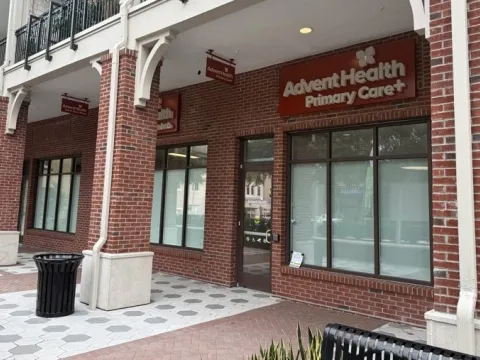
AdventHealth expands access to primary care in the heart of DeLand
AdventHealth has opened a new Primary Care+ location in the heart of downtown DeLand, giving residents a simple way to get everyday care close to where life happens. The primary care practice offers...
News
Fueling healthy futures for Flagler’s student athletes
Early practices, full class schedules, and evening games can push student athletes to their limits, and proper nutrition is essential to keeping them strong and focused. AdventHealth has introduced...
News
AHMG Cardiology at Dalton earns nuclear cardiology accreditation
AdventHealth Medical Group Cardiology at Dalton has earned a three-year accreditation in Nuclear Cardiology from the Intersocietal Accreditation Commission (IAC).
Press Release
New orthopedic provider expands access to compassionate care for families in WNC
AdventHealth is welcoming Beth Mitchell, PA-C, an experienced orthopedic provider bringing warm, whole-person care to patients across Haywood County and the surrounding Western North Carolina region.
News
When seconds count: How a community of heroes saved one little girl
It was a day like any other — until the phone rang. For Ellison’s mom, that call froze time: “You need to get here right away.”
News
AdventHealth expands neurology services in West Volusia
Board-certified neurologist Dr. Zarmina Mufti has joined AdventHealth Medical Group and is now caring for patients at AdventHealth, expanding access to expert, whole-person neurological care for...
Press Release
Avon Park man receives innovative, non-invasive prostate treatment now available in Highlands County
When Marc Marasigan went to the Emergency Department at AdventHealth Sebring, he thought he was dealing with a stubborn fever and some back pain. Instead, that visit uncovered a kidney stone and a...
News
Pursuing excellence in knee surgery: Colorado Joint Replacement hosts Insall Traveling Fellowship
The international program that brings leading knee surgeons together to learn, collaborate and elevate the future of joint care.
Press Release
Strengthening patient care in WNC: AdventHealth Hendersonville earns new nursing recognition
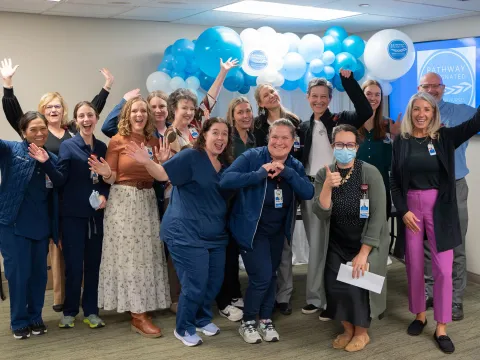
AdventHealth Hendersonville has been designated as a Pathway to Excellence® organization by the American Nurses Credentialing Center (ANCC), a recognition that highlights the hospital’s commitment to...
News
An ocean between them, and a calling that reunited them
After seven years apart, sisters Maricar Olsen and Ermeliza Ortiz were reunited in a place they both now call home. Their journey from the Philippines to Central Florida is a story of faith, family...