


A new hip can mean a new lease on an active lifestyle.
The warning signs are unmistakable: A decreased range of motion that reveals itself when you bend over to tie a shoe, for example. Or perhaps a sharp, searing pain that originates deep in the groin or buttocks when you take a flight of stairs or roll over in bed. For our aging population,these are among the common symptoms that signal deterioration in the hip joints.
Whether the diminished function is congenital in nature or the result of injury, the outcome is often the same — a negative impact on day-to-day life. Living with the chronic pain and immobility of an impaired hip joint is no picnic for anyone, and for middle-aged and senior adults accustomed to enjoying an active lifestyle, the limitations that hip dysfunction imposes can be particularly distressing.
Fortunately, those suffering from the symptoms associated with a failing hip joint have several treatment options at their disposal. The process begins with a consultation with an orthopedic surgeon to determine the specific cause of the impairment. Osteoarthritis — the gradual breakdown of cartilage in the joint — is among the most common culprits, followed by rheumatoid arthritis, osteonecrosis and injuries that result from trauma or disease.
Once the physician makes a diagnosis, they may offer more conservative treatment options, such as anti-inflammatory medications or cortisone injections directly into the affected joint. Patients who have exhausted other forms of treatment and are still experiencing chronic pain are generally considered good candidates for a total hip replacement procedure.

“Hip replacement is extremely effective at restoring mobility and getting people back to the life they love,” says Stephen King, MD, an orthopedic surgeon with AdventHealth Medical Group Orthopedics & Sports Medicine. “Joint replacements account for about 50 percent of our practice. The late 40s to mid-70s is the average age range, and it’s becoming more and more common.”
During a hip replacement procedure, the surgeon removes the diseased/damaged bone and cartilage, leaving the healthy part of the bone intact. Next, a replacement socket, lined with a substitute cartilage material such as ultra-high molecular weight polyethylene, is affixed to the pelvic bone. Finally, a metal stem (often titanium or cobalt-chromium) and a new ceramic ball joint are inserted into the top of the femur to complete the replacement joint.
“We’re seeing more and more hip surgeries in recent years and in increasingly younger patients because the implant materials are so much better and have more longevity,” says Dr. King, who estimates he performs approximately 100 hip replacements each year. “Previous generations of implants might only hold up for 10 to 12 years, but the technology has improved so much that it’s common for a replacement joint to last 25 years or more.”
Another factor contributing to the shift in hip-replacement demographics has been the development of alternate surgical approaches. Today, the posterior approach — in which the incision is made at the back of the hip, close to the buttocks — is still considered the most common technique nationally. But gaining quickly in popularity is the direct anterior approach, in which the surgeon accesses the hip joint from the front.
One of the advantages of the direct anterior approach is that it’s considered a muscle-sparing procedure. Rather than cutting or detaching muscles and ligaments to access the hip (as with the posterior approach), surgeons are able to gently push muscle groups and other tissues aside to remove the diseased/damaged areas and insert implants.
The anterior approach offers several additional advantages:
• The incision is only three or four inches, compared to as long as 12 inches with the traditional approach.
• Patients can be released from the surgical facility earlier and tend to experience less pain post-operatively.
• Recovery times are generally quicker, and patients tend to reach physical-therapy milestones more quickly.
• Patients walk on their own as many as six days earlier than those who undergo traditional surgery.
“The anterior approach is more successful in terms of patient satisfaction,” Dr. King says. “Patients who may have been in pain just getting to the mailbox and back will come in three or four weeks after surgery able to walk again. They have their life back.”
Because the anterior approach is more technically demanding and a comparatively newer procedure, the posterior approach is still more frequently performed. But Dr. King suggests the scales are gradually tipping in the other direction.
“When I started doing anterior hip replacements, they accounted for about 20 percent of replacement procedures,” he says. “Now, it’s closer to 40 or 45 percent. I think that within ten years, it will be more like 70 or 80 percent. As older surgeons retire and the newer generation of surgeons is trained for them, I think we’ll see more and more anterior procedures.”
Patients who elect to undergo hip replacement surgery of any kind can expect the procedure to last anywhere from one to two hours, in addition to another couple of hours of prep and recovery time. Post-operative protocols often involve walking with a cane/walker for as long as three weeks and a home regimen that includes icing to reduce swelling and leg compression to facilitate blood flow to the hip.
Afterward, working with a physical therapist may also be a vital component of the recovery process. Therapy, if your surgeon feels it’s needed, can last anywhere from four to eight weeks and include exercises designed to help the patient regain strength and mobility in the new joint. Commonly, regardless of the surgical approach, patients regain most of their normal function within three months and are approximately 90 percent healed in 16 to 20 weeks. After a year, it’s possible the surgeon will remove all restrictions on physical activity.
“The most important part of a patient’s decision to get help is having someone they can trust to counsel them and go over their options with them,” Dr. King explains. “Meeting at an appointment means we’re entering into a partnership. I provide advice and lay the foundation of trust moving forward. I’m there every step of the way.”
To learn more about total hip replacement and whether it’s a viable option for you, visit GeorgiaOrthoExperts.com or contact AdventHealth Medical Group Orthopedics & Sports Medicine at Call706-602-3100 to schedule an appointment with an orthopedic surgeon.
12 items. To interact with these items, press Control-Option-Shift-Right Arrow. These items are in a slider. To advance slider forward, press Shift-Command-Right Arrow. To advance slider backward, press Shift-Command-Left Arrow.










News
AdventHealth Avista Recognized as a Top Teaching Hospital in Colorado for Patient Safety and Quality Care
For patients and families, feeling safe, heard, and well cared for is foundational to healing. That commitment to whole-person care is why AdventHealth Avista has been recognized as one of Colorado’s...
News
Phoebe Carpenter, APRN-CNP, joins AdventHealth Medical Group Family Medicine, Internal Medicine & Pediatrics at Curtis Parkway
AdventHealth is pleased to announce that Phoebe Carpenter, APRN-CNP, has joined AdventHealth Medical Group Family Medicine, Internal Medicine & Pediatrics at Curtis Parkway.
News
Pilot survives heart attack thanks to Flight 1 and whole-person connected care
From ER to air to cath lab, a seamless system delivered lifesaving treatment in under 90 minutes.
News
Pulmonologist joins AdventHealth Waterman
From nutrition and ICU to advanced bronchoscopy, Dr. Alba Rivera-Díaz brings bilingual, whole-person lung care to Lake County.
News
AdventHealth Avista opens food pantry to support community health
AdventHealth Avista has taken a significant step toward addressing food insecurity, a key priority identified in its Community Health Needs Assessment by opening a food pantry on its first floor. This...
News
AdventHealth Porter Earns COPPER Designation, Strengthening Pediatric Emergency Care
AdventHealth Porter is proud to announce that its Emergency Department has earned the Pediatric Advanced COPPER designation, a significant milestone that reflects a deep commitment to providing safe...
News
Three AdventHealth hospitals in Florida’s Volusia and Flagler counties earn top Leapfrog honors
Residents of Volusia and Flagler counties now have national confirmation of something many rely on every day: safe, high-quality hospital care close to home.
News
AdventHealth DeLand investing in next-generation MRI technology to enhance patient care
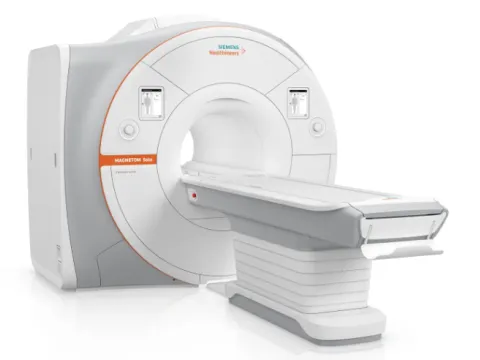
AdventHealth DeLand will soon install a new MRI system designed to deliver faster exams, sharper images and a more comfortable experience for patients in West Volusia.
Press Release
AdventHealth Wauchula earns 2025 Leapfrog Top Rural Hospital Award for outstanding quality and safety
People in Hardee County can feel confident knowing their local hospital is among the safest in the nation with AdventHealth Wauchula being named a Top Rural Hospital by The Leapfrog Group for its...
News
Innovative new procedure offers hope for heart transplant candidates at high risk for rejection
Innovation at AdventHealth is driven by one purpose: helping people heal in body, mind and spirit.
Press Release
NC Supreme Court clears way for first phase of AdventHealth’s new hospital in Weaverville
AdventHealth is grateful for community support as NC Supreme Court decision clears the way for a new hospital.
News
The hidden cancer one clinician caught – and the process improvements she says matter most
Shana Vongkhankeo, APRN, discovered an unusual thyroid enlargement during a routine physical for a teenage patient, leading to a life-saving cancer diagnosis that highlighted how being fully present...