


12 items. To interact with these items, press Control-Option-Shift-Right Arrow. These items are in a slider. To advance slider forward, press Shift-Command-Right Arrow. To advance slider backward, press Shift-Command-Left Arrow.










News
AdventHealth Avista Recognized as a Top Teaching Hospital in Colorado for Patient Safety and Quality Care
For patients and families, feeling safe, heard, and well cared for is foundational to healing. That commitment to whole-person care is why AdventHealth Avista has been recognized as one of Colorado’s...
News
Phoebe Carpenter, APRN-CNP, joins AdventHealth Medical Group Family Medicine, Internal Medicine & Pediatrics at Curtis Parkway
AdventHealth is pleased to announce that Phoebe Carpenter, APRN-CNP, has joined AdventHealth Medical Group Family Medicine, Internal Medicine & Pediatrics at Curtis Parkway.
News
Pilot survives heart attack thanks to Flight 1 and whole-person connected care
From ER to air to cath lab, a seamless system delivered lifesaving treatment in under 90 minutes.
News
Pulmonologist joins AdventHealth Waterman
From nutrition and ICU to advanced bronchoscopy, Dr. Alba Rivera-Díaz brings bilingual, whole-person lung care to Lake County.
News
AdventHealth Avista opens food pantry to support community health
AdventHealth Avista has taken a significant step toward addressing food insecurity, a key priority identified in its Community Health Needs Assessment by opening a food pantry on its first floor. This...
News
AdventHealth Porter Earns COPPER Designation, Strengthening Pediatric Emergency Care
AdventHealth Porter is proud to announce that its Emergency Department has earned the Pediatric Advanced COPPER designation, a significant milestone that reflects a deep commitment to providing safe...
News
Three AdventHealth hospitals in Florida’s Volusia and Flagler counties earn top Leapfrog honors
Residents of Volusia and Flagler counties now have national confirmation of something many rely on every day: safe, high-quality hospital care close to home.
News
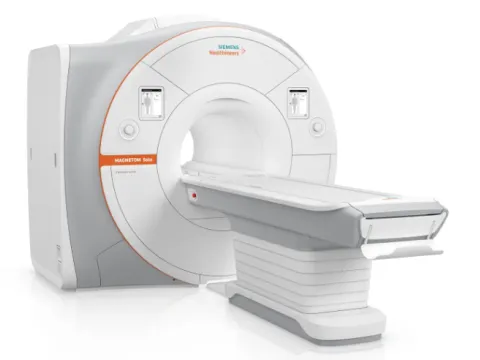
AdventHealth DeLand investing in next-generation MRI technology to enhance patient care
AdventHealth DeLand will soon install a new MRI system designed to deliver faster exams, sharper images and a more comfortable experience for patients in West Volusia.
Press Release
AdventHealth Wauchula earns 2025 Leapfrog Top Rural Hospital Award for outstanding quality and safety
People in Hardee County can feel confident knowing their local hospital is among the safest in the nation with AdventHealth Wauchula being named a Top Rural Hospital by The Leapfrog Group for its...
News
Innovative new procedure offers hope for heart transplant candidates at high risk for rejection
Innovation at AdventHealth is driven by one purpose: helping people heal in body, mind and spirit.
Press Release
NC Supreme Court clears way for first phase of AdventHealth’s new hospital in Weaverville
AdventHealth is grateful for community support as NC Supreme Court decision clears the way for a new hospital.
Press Release
AdventHealth named among U.S. News & World Report’s fifth annual 2026 Best Hospitals for Maternity Care
This marks the third year in a row AdventHealth Shawnee Mission has appeared on the U.S. News & World Report’s list of Best Hospitals for Maternity Care.