What’s Safe When Exercising While Pregnant?

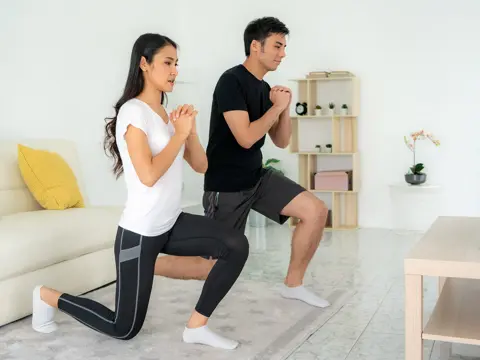
A pregnant woman stretching.

Choose the health content that’s right for you, and get it delivered right in your inbox.

Pregnancy is a wonderful thing, but we know that you may have many questions as you seek what’s best for you and your baby. One of those questions is the safety of exercising while pregnant.

Keep reading to learn more, including the benefits, what’s safe, what you should avoid and how we can support you on your pregnancy journey.

Why Exercise Matters During Pregnancy

According to the National Library of Medicine, exercising while pregnant significantly contributes to maternal and fetal well-being. Benefits of staying active during pregnancy can include:

  • Better sleep
  • Decreased chance of developing postpartum depression
  • Faster recovery
  • Fewer pre-term labor
  • Healthy pregnancy weight
  • Healthier birth weight
  • Higher chance of vaginal birth
  • Improved cardiovascular and motor development
  • Improved mood
  • Increased nutrient and oxygen flow supply to the baby
  • Reduced back pain
  • Reduced risk of gestational diabetes
  • Shorter labor

Deciding to make healthier lifestyle choices during pregnancy can benefit you and your baby and will likely lead to a healthier birth.

Safe Exercise for Every Trimester

We know that keeping your baby safe during pregnancy is a top priority. That’s why we’ve developed prenatal exercise guidelines to keep your baby safe while putting your mind at ease. Below are pregnancy-safe workouts per trimester.

Cardio is a great form of exercise that can be performed in many ways. Below are safe cardio exercises you can perform in every trimester:

  • Incline walking
  • Modified yoga and Pilates
  • Stationary cycling
  • Stretching
  • Swimming

First Trimester

Early on in pregnancy, it’s normal to feel tired, which often leads to less movement overall. During the first trimester, it’s good to focus on quick, energizing workouts to build endurance and strength, such as:

  • Bicep curls
  • Body-weight squats
  • Kneeling or wall push-ups
  • Pelvic curls
  • Reverse lunges

Second Trimester

During the second trimester, it’s a good idea to strengthen your postural muscles so you stay strong and properly aligned. We recommend the following exercises:

  • Alternating forward dumbbell raises
  • Bicep curl into shoulder press
  • Side-lying leg lifts
  • Single arm rows

Third Trimester

The third trimester is when you should focus on strengthening your core and lower body to prepare for birth. We recommend the following exercises:

  • Side lunges
  • Side plank
  • Single-leg deadlift
  • Squats

Before performing any exercises, talk with your doctor to ensure it’s safe for you and your baby. Generally, aim for 30 minutes of moderate exercise a day or 150 minutes of exercise a week.

And be sure to drink plenty of water. Hydration during pregnancy is key, especially if you’re exercising. We recommend drinking 64 to 96 ounces of water daily. We also recommend wearing breathable fabrics, especially if you live in a warmer, humid climate. Keeping your body cool during pregnancy is important for you and your baby’s overall health.

Exercises to Avoid During Pregnancy

While there’s significant research on the positive effects of exercising while pregnant, there are certain things to avoid. To keep you and your baby safe, avoid the following exercises:

  • Anything that requires you to lie flat after the first trimester
  • Bike riding and any fall-risk activities
  • Contact sports
  • Exercise involving holding your breath
  • High-altitude exercises like skiing
  • Horseback riding
  • Hot yoga
  • Outside exercises in extreme heat or humidity
  • Scuba diving

Performing any of these exercises could put you and your baby at risk.

Listen to Your Body: Signs to Slow Down

It’s possible to have too much of a good thing. This principle rings true when it comes to exercising while pregnant. Stop exercising and immediately visit your doctor if you experience the following:

  • Amniotic fluid leakage
  • Calf pain or swelling
  • Chest pain
  • Dizziness
  • Headaches
  • Muscle weakness
  • Overheating
  • Regular painful contractions
  • Shortness of breath
  • Vaginal bleeding

It’s important to listen to your body. Oftentimes, it sends signals, such as pain, if something is wrong. If you notice any of the above symptoms, it’s time to visit your doctor.

Supporting Your Prenatal Fitness Journey

At AdventHealth, we’re dedicated to providing the whole-person care you and your little one deserve. Because of that, we offer prenatal yoga classes, physical therapy during pregnancy, pelvic health services and more to support you on your pregnancy journey.

Our dedicated team of OB/GYNs is here to support you with the compassionate care you deserve. Count on us to care for you and your baby from preconception, pregnancy labor and delivery. No matter what comes your way, you won’t face it alone.

Compassionate Care for You and Your Little One

We know that navigating pregnancy can be daunting as you learn the do’s and don’ts during this season. But rest assured, we’re here to keep you, and your baby, as healthy as possible. Learn more about our mother and baby care and how we can partner with you from their first heartbeat to your first feeding.

Recent Blogs

12 items. To interact with these items, press Control-Option-Shift-Right Arrow. These items are in a slider. To advance slider forward, press Shift-Command-Right Arrow. To advance slider backward, press Shift-Command-Left Arrow.