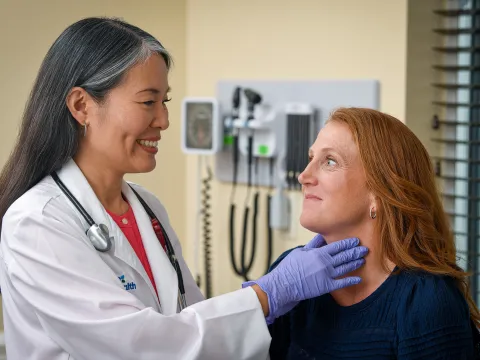
Do You Need a Referral to See a Cardiologist? Your PCP Can Help
Your heart is the timekeeper of your life, and you want to keep it beating strong for years to come. So when you have heart-related concerns, you want expert, wholehearted care.
A cardiologist is a doctor who specializes in treating conditions that affect the cardiovascular system, which includes your heart and blood vessels.
While your AdventHealth primary care physician (PCP) can address issues like high blood pressure and high cholesterol, they may want you to also see a heart specialist, especially if you require more specialized care for a heart condition like an irregular heart rhythm (arrhythmia), coronary artery disease or cardiomyopathy.
Your PCP may also give you a referral to see a cardiologist if you're showing certain signs of heart disease, such as mild chest pain, consistent dizziness or shortness of breath.
If you are experiencing signs of a cardiac emergency like severe chest pain, sudden collapse or you can’t breathe, go to the nearest ER immediately. Don’t wait to see your PCP for a referral!
If you think you need a cardiology referral, it’s important to make an appointment with your PCP so they can first do a full exam to check for signs of heart disease. They’ll then walk you through the referral process if necessary.
Do You Need a Referral for a Cardiologist?
If your PCP suspects you may have a disease impacting your heart or blood vessels, they will likely refer you to a cardiologist.
While your PCP can help you manage heart conditions and can monitor your health for certain heart disease signs and symptoms, a cardiologist has the expertise required to fully diagnose a heart problem. They’ll work with your PCP on the best treatment plan for you.
While your PCP will need to refer you to a cardiologist, there may also be additional requirements based on your health insurance provider and where you live.
Situation | Referral Needed? | Details |
| Experiencing severe chest pain, collapse, or trouble breathing | ❌ No (Go to ER) | These are emergencies. Call 911 or go to the ER immediately. |
| Mild symptoms like shortness of breath, dizziness, or irregular heartbeat | ✅ Likely | Your PCP will assess and may refer you to a cardiologist. |
| High-risk patient (e.g., high blood pressure, high cholesterol, family history) | ✅ Likely | PCP may refer to preventive health screenings or diagnostic cardiology care. |
| HMO Insurance Plan | ✅ Yes | HMO plans usually require a PCP referral to see a specialist. |
| PPO Insurance Plan | ❌ Usually not | Most PPO plans allow direct access to specialists. Confirm with your provider. |
| Medicare or Medicaid | ⚠️ It depends | Rules vary by policy and state. Check with your plan directly. |
| Specialist office policy | ✅ Often | Many cardiologists require a PCP referral even if insurance doesn’t. |
| Living in certain states | ⚠️ It depends | State laws may affect referral rules. Confirm with your PCP and cardiologist’s office. |
Read more about the differences between a PCP and a specialist.
Insurance Considerations
Every medical insurance provider will have different requirements for cardiology referrals, so it's important to check your policy or call your provider for more information.
Additionally, there are usually different requirements based on your insurance plan, whether you have a health maintenance organization (HMO) or a preferred provider organization (PPO).
- HMO plans typically require PCP referrals for any type of specialist
- PPO plans often allow direct access to a specialist without a referral
If you have Medicare or Medicaid, there will be different referral rules depending on your policy type.
Health Care Provider Requirements
In most cases, a cardiology office will require a referral from your PCP, even if insurance does not.
As all hospital systems and specialty clinics have different policies, it's important to call the cardiology office you’ve selected to find out their specific requirements before making your first appointment.
State and Regional Differences
In most states, a PCP must refer you to a cardiologist. However, some states have different requirements, so it's important to check with your PCP and the cardiology office to ensure you have everything you need to make your appointment.
When Should You See a Cardiologist?
Your PCP may refer you to a heart specialist if you are showing certain signs and symptoms of cardiovascular disease, such as the following:
- Consistent dizziness or fainting
- Irregular heartbeat (heart palpitations)
- Leg or ankle swelling
- Shortness of breath
- Tightness or pain in the chest
- Unexplained tiredness
Your PCP may also suggest seeing a cardiologist if you have several high-risk factors for heart disease, like the following:
- Your age (55 and up for women and after 45 for men)
- Certain diseases, such as chronic kidney disease and diabetes
- Excessive alcohol use
- Family history of heart disease
- High cholesterol
- Hypertension (high blood pressure)
- Obesity
- Sedentary lifestyle
- Smoking
How Your Primary Care Provider Works with Your Cardiologist
Your AdventHealth PCP may be the first doctor to diagnose you with a heart condition.
Your PCP may treat and manage your cardiovascular issues by:
- Providing routine exams that check your heartbeat, heart rate and blood pressure
- Blood work to check your cholesterol levels
- Prescribing medications to help lower cholesterol and blood pressure levels
- Recommending lifestyle changes like stopping tobacco use, eating a healthy diet and regular exercise
If your PCP feels you require a cardiology referral, they’ll contact your specialist to confirm their diagnosis, work with them on a personalized treatment plan and keep you updated on your progress.
You’ll still visit your PCP every year for a wellness exam to assess your overall health, which can have a profound impact on your heart health.
Your PCP can also help you with the following:
- Managing your heart disease treatment progress
- Assisting with medication management
- Providing education on your condition for you and your family
- Offering additional support as needed
How to Get a Referral to See a Cardiologist
There are a few steps you need to take to get a cardiology referral:
- Schedule an appointment with your AdventHealth PCP.
- Come prepared to your appointment to discuss your symptoms and medical history.
- Your PCP will conduct a full physical exam to evaluate whether a referral is necessary.
- If needed, your PCP will refer you to a cardiologist and help coordinate next steps.
- Check with your health insurance company to find out if there are any other requirements before you see a cardiology specialist.
- Contact the cardiologist’s office to schedule your appointment.
Taking Charge of Your Heart Health
Your heart is one of the most important organs in the body, so take care of it with heart health screening services and annual wellness visits.
If there is an issue, your PCP can get you a cardiology referral quickly so you can get specialized treatment promptly for the best possible outcome.
If you are experiencing any signs or symptoms of potential heart issues and believe you may need a referral to see a cardiologist, schedule an appointment today to speak with your AdventHealth Primary Care+ provider.