


A stroke is a sudden medical emergency that affects someone every 40 seconds in the United States and is one of our country’s leading causes of disability. According to the CDC, anyone can have a stroke at any age, but certain factors can increase your likelihood of a stroke. These include high blood pressure, high cholesterol, heart disease, diabetes, family history and risky health behaviors such as smoking or drinking too much alcohol. Your lifestyle can also increase your risk of stroke which is why it’s important to maintain a relationship with your primary care physician to take steps to maintain a healthy lifestyle.
Stroke Coordinator Heather Guthrie, RN, coordinates both the stroke response teams at AdventHealth Gordon and AdventHealth Murray but also helps educate the community on what to look for to recognize and respond to a stroke.
“Time is tissue, time is brain,” said Guthrie. “Every minute we lose almost 2 million neurons during a large vessel stroke so you have to get to the emergency room and get treatment to stop the stroke so we can prevent death and disability.”
Guthrie has witnessed patients arrive at the hospital during a stroke, receive rapid treatment and walk out of the hospital and go on to live normal lives. For example, a patient arrived with complete paralysis of their left arm and leg and also had some issues with slurred speech. The patient called 911 within 15 minutes of the symptoms beginning. The AdventHealth Gordon EMS team called a stroke alert ahead of the patient’s arrival. Nurses, radiology staff and the tele-neurology team were on standby at the CT scanner when the patient arrived, and within 30 minutes of arrival, the team had determined the patient was eligible for the “clot-busting” thrombolytic medication. Within 30 minutes of initiating the treatment, the patient was able to move their arm and leg.
The best-case scenario, Guthrie says, is if the symptoms are recognized immediately and our team is able to intervene and help the patient. She says every friend or family member should understand these symptoms to recognize the onset of a stroke.
“Knowing what stroke symptoms look like by using the B.E. F.A.S.T. acronym can save your life or a loved one’s,” said Guthrie.
What is a Stroke?
A stroke happens when blood flow is blocked to part of your brain (ischemic stroke) or a blood vessel suddenly bursts (hemorrhagic stroke). These events can cut off blood and oxygen supply to your brain and damage brain cells. Long-term physical damage can occur if a stroke is left untreated or care is delayed.
How to B.E. F.A.S.T
Remember the signs and symptoms of a stroke by using the acronym B.E. F.A.S.T., which stands for:
- Balance: Does the person have trouble with balance, coordination or dizziness?
- Eyes: Is the person experiencing sudden blurring or loss of vision in one or both eyes?
- Face: When the person smiles, does one side of the face droop?
- Arms: Does the person have arm or leg weakness?
- Speech: Is the person’s speech slurred? Can they repeat a simple sentence?
- Time: If the person has any of these symptoms, call 911 immediately.
Similar to heart attacks, stroke symptoms can vary between men and women. You should specifically look out for these stroke symptoms in women:
- Agitation or sudden behavioral change
- Difficulty breathing
- General weakness
- Hallucination
- Hiccups
- Loss of consciousness
- Nausea or vomiting
- Pain
- Seizures
It is recommended to call 911 right away if you or a loved one are experiencing stroke symptoms.
“Do not drive yourself or your loved one. Call for an ambulance instead,” said Guthrie. “When EMS is activated, they are able to call in a stroke alert to the hospital during the ride, and the ER team is waiting for them to walk through the door to take rapid care of the patient.”
Receiving immediate, life-saving medical care for a stroke increases a patient’s chances of survival and reduces long-term harm, such as difficulty walking, speaking or eating, explained Guthrie.
Expert Stroke Care When You Need It Most
If a person shows any stroke symptoms, call 911 immediately. Fast stroke intervention means that our physicians and ER experts can give your loved ones medicine and treatment that helps restore blood flow to their brain and stops further damage.
Residents in Gordon and surrounding counties can receive world-class neurology and stroke diagnoses closer to home through our telemedicine program. This program allows patients to have access to a network of neurologists specially trained in diagnosing and treating strokes via a real-time video conference when they arrive in the emergency room.
12 items. To interact with these items, press Control-Option-Shift-Right Arrow. These items are in a slider. To advance slider forward, press Shift-Command-Right Arrow. To advance slider backward, press Shift-Command-Left Arrow.




Video
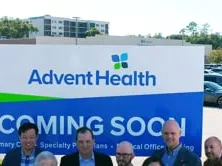
AdventHealth purchases 17 acres in DeLand
AdventHealth purchases 17 acres in DeLand
News
Albit Paoli, MD joins AdventHealth Medical Group Orthopedics & Sports Medicine
AdventHealth is pleased to announce that Albit Paoli, MD, has joined AdventHealth Medical Group Orthopedics & Sports Medicine at Calhoun and AdventHealth Medical Group Orthopedics & Sports Medicine at...
News
Dr. Phillips Center launches free Frontyard Holiday Festival supported by AdventHealth
The Dr. Phillips Center is launching its first-ever Frontyard Holiday Festival supported by AdventHealth.
News
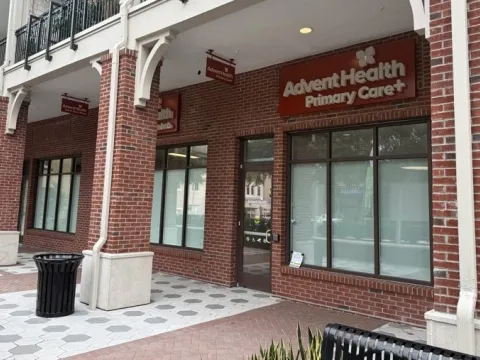
AdventHealth expands access to primary care in the heart of DeLand
AdventHealth has opened a new Primary Care+ location in the heart of downtown DeLand, giving residents a simple way to get everyday care close to where life happens. The primary care practice offers...
News
AdventHealth Rome Turkey Trot brings community together
Over 700 people gathered on Thanksgiving morning for the AdventHealth Rome Turkey Trot, raising $15,000 for Northwest Georgia Hunger Ministries.
News
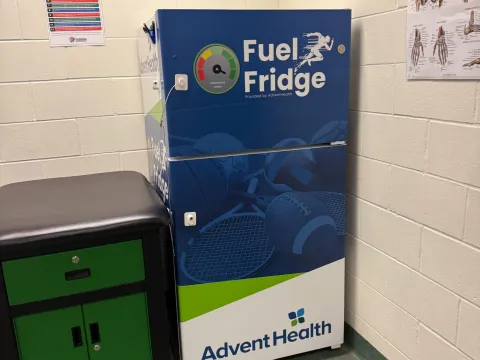
Fueling healthy futures for Flagler’s student athletes
Early practices, full class schedules, and evening games can push student athletes to their limits, and proper nutrition is essential to keeping them strong and focused. AdventHealth has introduced...
News
AHMG Cardiology at Dalton earns nuclear cardiology accreditation
AdventHealth Medical Group Cardiology at Dalton has earned a three-year accreditation in Nuclear Cardiology from the Intersocietal Accreditation Commission (IAC).
Press Release
New orthopedic provider expands access to compassionate care for families in WNC
AdventHealth is welcoming Beth Mitchell, PA-C, an experienced orthopedic provider bringing warm, whole-person care to patients across Haywood County and the surrounding Western North Carolina region.
News
When seconds count: How a community of heroes saved one little girl
It was a day like any other — until the phone rang. For Ellison’s mom, that call froze time: “You need to get here right away.”
News
AdventHealth expands neurology services in West Volusia
Board-certified neurologist Dr. Zarmina Mufti has joined AdventHealth Medical Group and is now caring for patients at AdventHealth, expanding access to expert, whole-person neurological care for...
Press Release
Avon Park man receives innovative, non-invasive prostate treatment now available in Highlands County
When Marc Marasigan went to the Emergency Department at AdventHealth Sebring, he thought he was dealing with a stubborn fever and some back pain. Instead, that visit uncovered a kidney stone and a...
News
Central Florida organizations unite to ensure children and families facing food insecurity are fed over holiday break
AdventHealth, Orlando Magic, Florida Citrus Sports and Second Harvest Food Bank team up to support children across Orange, Osceola and Seminole counties.