

Authored by Sharad Rajpal, MD, FAANS, FCNS, Spine and Neurosurgeon at AdventHealth Avista.
To learn more or request an appointment, visit: Sharad Rajpal, MD | Neurosurgery | Louisville, CO | AdventHealth
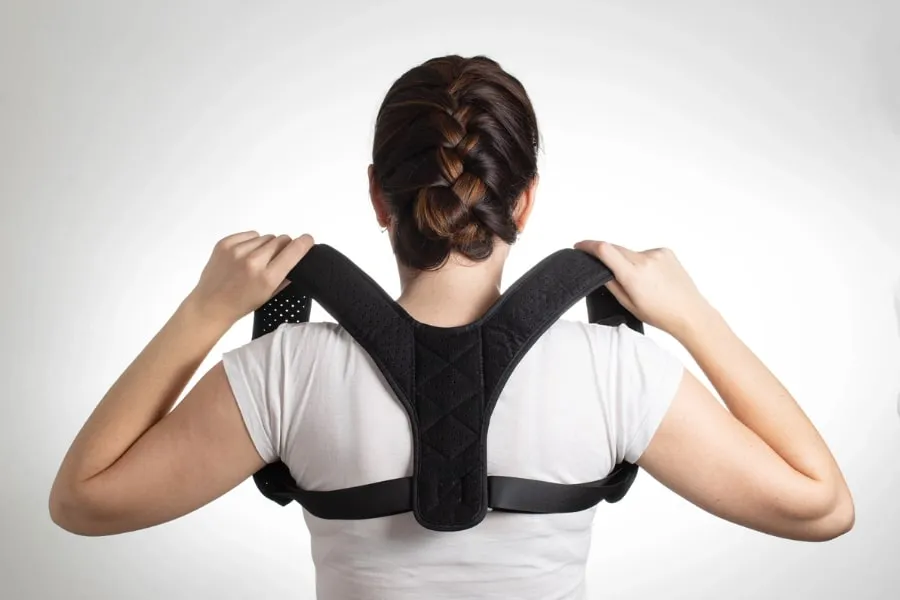
Posture-correcting wearables are trending and claiming to help people suffering from scoliosis, kyphosis (or “round back”), shoulder, neck and back pain. With more and more people working from home, slouching over laptops, and spending hours on their phones, it’s no surprise that these devices are exploding in popularity. As a spine surgeon, I see posture-related neck and upper-back pain weekly in my clinic. But are these devices worth it and what do they actually do? While posture-correcting sports bras and “smart” garments won’t magically fix your spine issues, they can play a meaningful role if used correctly.
What are posture-correcting garments designed to do?
Most posture-correcting clothes aren’t designed to actually “hold your spine in place.” Instead, they work via several principles.
- Shoulder retraction: elastic panels or straps are designed to gently pull your shoulders back to counter the rounded-shoulder posture we naturally tend to fall into when sitting at a desk or using our phones.
- Spinal alignment cues: the devices may add subtle resistance cues or vibrations when you slump, nudging you back toward a more neutral position.
- Proprioceptive feedback: when the garment tightens or tugs, it’s reminding your body’s internal GPS that you are slouching. Creating that awareness is often more valuable than the garment itself.
Can posture-correcting wearables actually be helpful?
Some patients may benefit from these garments in very specific situations, including people with posture-related neck or upper-back pain, desk workers who sit for prolonged amounts of time, and anybody wanting occasional reminders to straighten up. Strategically using posture-support garments can help people feel less muscle fatigue, especially in the upper traps and the back of the neck. It is really important to understand, however, that wearables cannot fix posture without complementary muscle strengthening to support good posture. One analogy is to think of posture-correcting clothing as training wheels: they are helpful at first, but not the end goal.
What does the research say?
The science supporting the long-term effectiveness of posture correcting devices is mixed and often considered weak. Some studies have shown that certain wearables can help reduce “forward-head” posture, improve shoulder position, provide helpful reminders to correct slouching, and decrease perceived effort in neck and back muscles. However, long-term improvements in posture only occurs when these devices are used in conjunction with strengthening, movement, and improved ergonomics. It is critical to understand that these devices do not permanently “correct” anything when used solely by themselves.
Alternative methods to improve posture (that may work just as well)
If posture-correcting garments aren’t in the budget or you would prefer more natural methods, there are some highly effective alternatives where small changes can provide big results. Physical therapy can closely identify any specific muscle imbalances driving your posture and help customize a program for your needs. Performing strengthening exercise at home or in the gym, and more specifically rows, scapular retraction exercises, thoracic extension work, core strengthening and posterior-chain training. Making ergonomic adjustments to your workspace, such as raising your computer screen to eye level, using proper keyboard positioning, using a lumbar support, keeping elbows close to your body, and taking frequent movement breaks every 30–45 minutes. In general, consider movement more than just about “perfect posture”: the more you move, the healthier you stay.
Potential risks or downsides of posture products
Although these products are generally considered safe, consumers should be aware of a few important pitfalls. An over-reliance on using these products can lead to a “weakening” of the posture muscles. These products may not be ideal for people with spine and/or shoulder injuries, hypermobility, or even certain respiratory conditions. Some people may find these devices uncomfortable and poorly fitting. Wearing them too tightly can cause restricted breathing, irritate joints, or cause rubbing and altered biomechanics. If using these devices causes worsening pain or numbness, then it’s most likely not the right device for you.
How to use posture-correcting garments safely and effectively
As a spine surgeon, proper use of these devices is important. Here are some recommendations regarding using these devices safely and effectively. Wear them for only a few hours (~1–3 hours) per day, with special consideration for those times when excessive poor posture may be present (computer work, long meetings, travel, etc.). Pair the device with strengthening exercises and use them less as your posture muscles gain strength. Use them as reminders and not as braces to help reinforce healthy habits without making your body dependent on the product(s).
The future of posture wearables
Exciting research and developments are coming in the world of posture correcting devices, including smart fabrics, vibration feedback, posture-tracking apps, even garments that are capable of measuring muscle activation and load on the spine in real time. The next generation of products will therefore focus on prevention by identifying patterns before problems and pain start.
The bottom line
Posture-correcting sports garments and wearables may be beneficial when used mindfully and correctly. These products work best when they are paired with strengthening, good ergonomics, and regular movement. Most importantly, these devices can be a useful tool in your wellness toolkit and can complement a broader approach to spine health. If you have pain or concerns about your posture, speak with a healthcare professional to determine the best approach for you.
12 items. To interact with these items, press Control-Option-Shift-Right Arrow. These items are in a slider. To advance slider forward, press Shift-Command-Right Arrow. To advance slider backward, press Shift-Command-Left Arrow.










Video
AdventHealth purchases 17 acres in DeLand
AdventHealth purchases 17 acres in DeLand
News
Albit Paoli, MD joins AdventHealth Medical Group Orthopedics & Sports Medicine
AdventHealth is pleased to announce that Albit Paoli, MD, has joined AdventHealth Medical Group Orthopedics & Sports Medicine at Calhoun and AdventHealth Medical Group Orthopedics & Sports Medicine at...
News
Dr. Phillips Center launches free Frontyard Holiday Festival supported by AdventHealth
The Dr. Phillips Center is launching its first-ever Frontyard Holiday Festival supported by AdventHealth.
News
AdventHealth expands access to primary care in the heart of DeLand
AdventHealth has opened a new Primary Care+ location in the heart of downtown DeLand, giving residents a simple way to get everyday care close to where life happens. The primary care practice offers...
News
AdventHealth Rome Turkey Trot brings community together
Over 700 people gathered on Thanksgiving morning for the AdventHealth Rome Turkey Trot, raising $15,000 for Northwest Georgia Hunger Ministries.
News
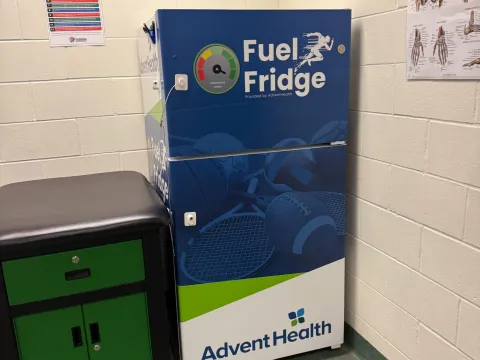
Fueling healthy futures for Flagler’s student athletes
Early practices, full class schedules, and evening games can push student athletes to their limits, and proper nutrition is essential to keeping them strong and focused. AdventHealth has introduced...
News
AHMG Cardiology at Dalton earns nuclear cardiology accreditation
AdventHealth Medical Group Cardiology at Dalton has earned a three-year accreditation in Nuclear Cardiology from the Intersocietal Accreditation Commission (IAC).
Press Release
New orthopedic provider expands access to compassionate care for families in WNC
AdventHealth is welcoming Beth Mitchell, PA-C, an experienced orthopedic provider bringing warm, whole-person care to patients across Haywood County and the surrounding Western North Carolina region.
News
When seconds count: How a community of heroes saved one little girl
It was a day like any other — until the phone rang. For Ellison’s mom, that call froze time: “You need to get here right away.”
News
AdventHealth expands neurology services in West Volusia
Board-certified neurologist Dr. Zarmina Mufti has joined AdventHealth Medical Group and is now caring for patients at AdventHealth, expanding access to expert, whole-person neurological care for...
Press Release
Avon Park man receives innovative, non-invasive prostate treatment now available in Highlands County
When Marc Marasigan went to the Emergency Department at AdventHealth Sebring, he thought he was dealing with a stubborn fever and some back pain. Instead, that visit uncovered a kidney stone and a...
News
Central Florida organizations unite to ensure children and families facing food insecurity are fed over holiday break
AdventHealth, Orlando Magic, Florida Citrus Sports and Second Harvest Food Bank team up to support children across Orange, Osceola and Seminole counties.