Ministrokes need maximum attention
Transient ischemic attacks (TIAs) are a critical red flag for your brain’s health



This marks the third year in a row AdventHealth Shawnee Mission has appeared on the U.S. News & World Report’s list of Best Hospitals for Maternity Care.

Second floor buildout adds orthopedics, sports medicine, women’s health and heart care for Lake County
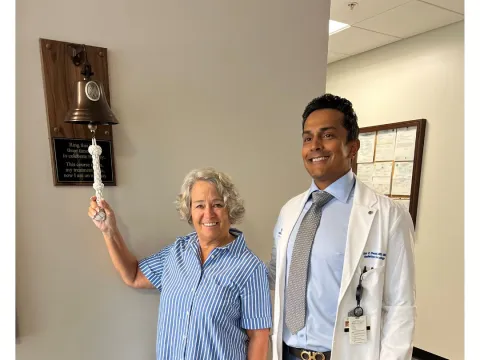
Cancer touches nearly every family, and in Flagler, Lake and Volusia counties, the demand for timely, advanced care keeps rising. AdventHealth’s East Florida Division, which includes seven hospitals...
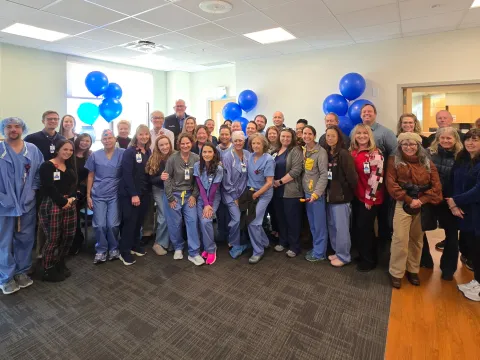
This milestone marks a meaningful new chapter for a team whose history stretches back more than two decades.

AdventHealth Porter has reached an extraordinary milestone in surgical innovation, completing what is believed to be the first robotic left radical nephrectomy with inferior vena cava (IVC)...

AdventHealth is pleased to announce that Amanda Robinson, DO, has joined AdventHealth Medical Group Family Medicine, Internal Medicine & Pediatrics at Curtis Parkway.

For Mike Vos, Director of Supply Chain at AdventHealth Avista, caring for others isn’t just part of the job - it’s woven into his family story. With a mother who is a career nurse and now Director of...

AdventHealth Minneola will bring nationally recognized care close to home in South Lake County.
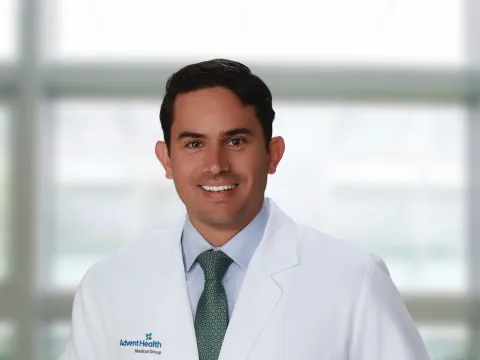
Dr. Mark Heimberger joins AdventHealth as part of its continued investment in bringing minimally invasive and robotic colorectal treatment options to the region’s growing community.
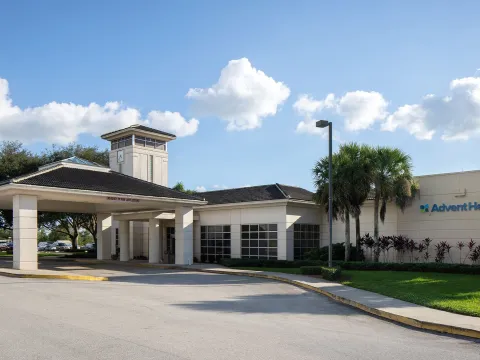
AdventHealth Lake Placid has launched a new Low Dose Lung Screening CT program, bringing this life-saving service closer to home for people who live in and around Lake Placid.

Every day, more than 1,500 Supply Chain and Business Services team members work behind the scenes with more than 3,000 suppliers to support how AdventHealth patients receive care.
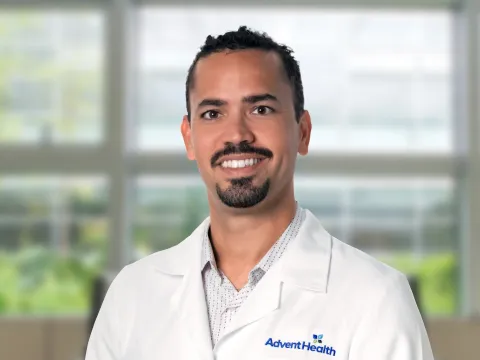
AdventHealth is pleased to announce that Albit Paoli, MD, has joined AdventHealth Medical Group Orthopedics & Sports Medicine at Calhoun and AdventHealth Medical Group Orthopedics & Sports Medicine at...
