The heat is on. Tim Hendrix, MD, medical director for AdventHealth Centra Care, knows well what that can mean for people not used to it. To illustrate, he shares the story of his introduction to the Florida heat when he moved to the Sunshine State from California 25 years ago.
As he had been used to doing, he grabbed a couple of bottles of water to take with him on a backroads bike ride at Canaveral National Seashore. On his California treks, Dr. Hendrix says, “When one bottle was gone, I knew to turn around and start back. That didn’t work in Florida. I wasn’t used to the humidity.” A couple of “chugs” of soda from a family leaving the beach “kept me out of trouble.”
Dr. Tim Hendrix is the medical director for AdventHealth Centra Care.
Though he wouldn’t necessarily recommend soda as a first choice for hydration, Dr. Hendrix says that, with the exception of alcoholic or caffeinated beverages, which will cause additional fluid loss, you should “drink what you’ve got.” And the colder the better when it comes to helping cool down.
It is not surprising that, as much of the country has experienced life under a heat dome during June, heat-exposure-related cases have doubled at Centra Care’s urgent care clinics. But, Dr. Hendrix notes, that is typical of Florida in June, “regardless of whether temperatures are more extreme than usual” and lacking the summer rainstorms that begin in July.
However, for those unaccustomed to the heat, a familiarization with heat illnesses and the spectrum of symptoms that may occur as your body temperature rises may be in order. While those who work outside may be better acclimated, Dr. Hendrix cautions, “Those people who work in the heat are still at high risk for heat-related illness if they’re not careful.”
"Don't wait until you're thirsty to drink. Stay ahead of it."
Signs that you may be suffering a heat-related illness include nausea, shakiness, light-headedness and excessive sweating in the case of heat exhaustion. If you have entered the danger zone of heat stroke, you may experience hot, dry skin and confusion, even delirium, brought on by significantly elevated body temperature and heat’s effect on the brain.
“All symptoms of early heat illness can generally be treated at home by drinking fluids, getting indoors, cooling off, taking off layers of clothes, and just taking it easy,” Dr. Hendrix says. Because it can sometimes be difficult to know that you’ve gotten to the point of heat stroke, Dr. Hendrix advises, “If there’s any question, don’t hesitate to call 911 and go to the ER. Don’t mess around.”
Dr. Hendrix offers these suggestions for coping with the summertime heat:
Avoid the heat of the day by planning any outside activities around mornings and evenings when it is cooler.
Drink plenty of liquids. "Don't wait until you're thirsty to drink. Stay ahead of it."
Pace yourself.
Find shade to work under if you have to be outside.
Stay as cool as possible.
If you start to feel any of the symptoms of heat-related illness, “go inside, get in AC, spray yourself with a hose, do what you need to do to start getting your body temperature down.”
Most of all, Dr. Hendrix says, “Check on your elderly neighbors and relatives during a heat wave. They’re the ones most at risk of being hospitalized because they’re on medications, they’re older, nobody’s watching out for them, and they might not be aware their temperature is going up because the air conditioning died in their house.”
Recent News
12 items. To interact with these items, press Control-Option-Shift-Right Arrow. These items are in a slider. To advance slider forward, press Shift-Command-Right Arrow. To advance slider backward, press Shift-Command-Left Arrow.
News
Dr. Phillips Center launches free Frontyard Holiday Festival supported by AdventHealth
The Dr. Phillips Center is launching its first-ever Frontyard Holiday Festival supported by AdventHealth.
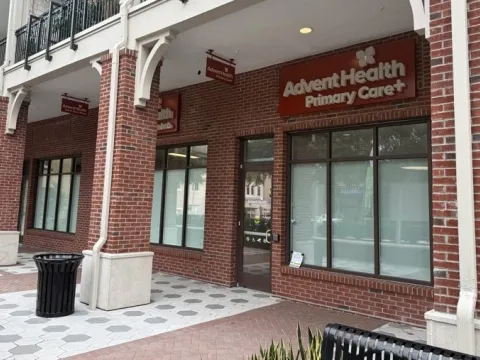
AdventHealth expands access to primary care in the heart of DeLand
AdventHealth has opened a new Primary Care+ location in the heart of downtown DeLand, giving residents a simple way to get everyday care close to where life happens. The primary care practice offers...
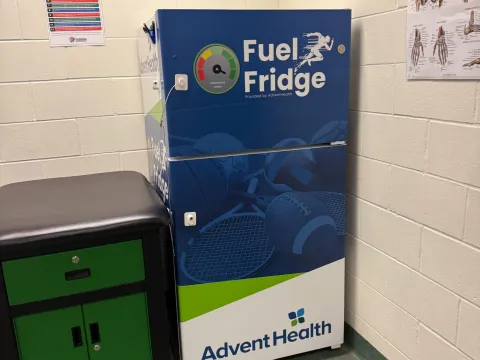
Fueling healthy futures for Flagler’s student athletes
Early practices, full class schedules, and evening games can push student athletes to their limits, and proper nutrition is essential to keeping them strong and focused. AdventHealth has introduced...
AdventHealth expands neurology services in West Volusia
Board-certified neurologist Dr. Zarmina Mufti has joined AdventHealth Medical Group and is now caring for patients at AdventHealth, expanding access to expert, whole-person neurological care for...
Central Florida organizations unite to ensure children and families facing food insecurity are fed over holiday break
AdventHealth, Orlando Magic, Florida Citrus Sports and Second Harvest Food Bank team up to support children across Orange, Osceola and Seminole counties.
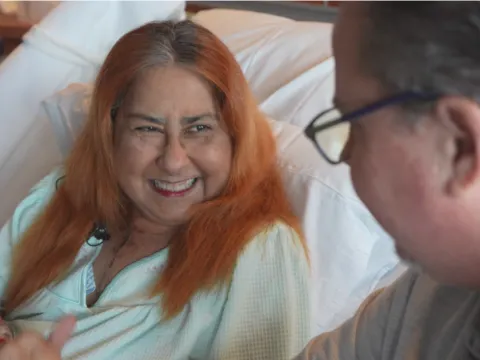
‘Definitely a miracle’: Puerto Rican woman receives rare heart-lung transplant in Florida
After only a month of waiting, Ivelese Nieves found herself among fewer than 70 patients nationwide each year who receive a rare, lifesaving operation.
Community generosity brings new cancer center to life
AdventHealth Castle Rock is honored to share that the Schrader Family has finalized their $8 million charitable commitment to support the hospital’s new cancer center. Their generosity has played a...
Our website uses cookies. Please review our privacy policy to find out more about the cookies we use. Browsing our website means you accept these terms.