Ultraprocessed foods have become deeply embedded in daily routines, increasingly appearing in pantries, lunchboxes and snacks in recent decades.
These foods are everywhere, and growing clinical evidence suggests they may be doing even more harm than previously understood, with consequences that reach beyond physical health to affect a person’s whole health.
Recent studies have connected diets high in ultraprocessed foods to an increased risk of heart disease, Parkinson’s disease, obesity, food addiction and even anxiety, depression and sleeping problems.
"Diet has a domino effect on whole health, influencing physical, mental and even spiritual well-being. The whole-person connection is undeniable."
While the findings may seem alarming, nutrition experts emphasize that understanding what qualifies as ultraprocessed, as well as how these foods affect the body, is an important step toward healthier choices.
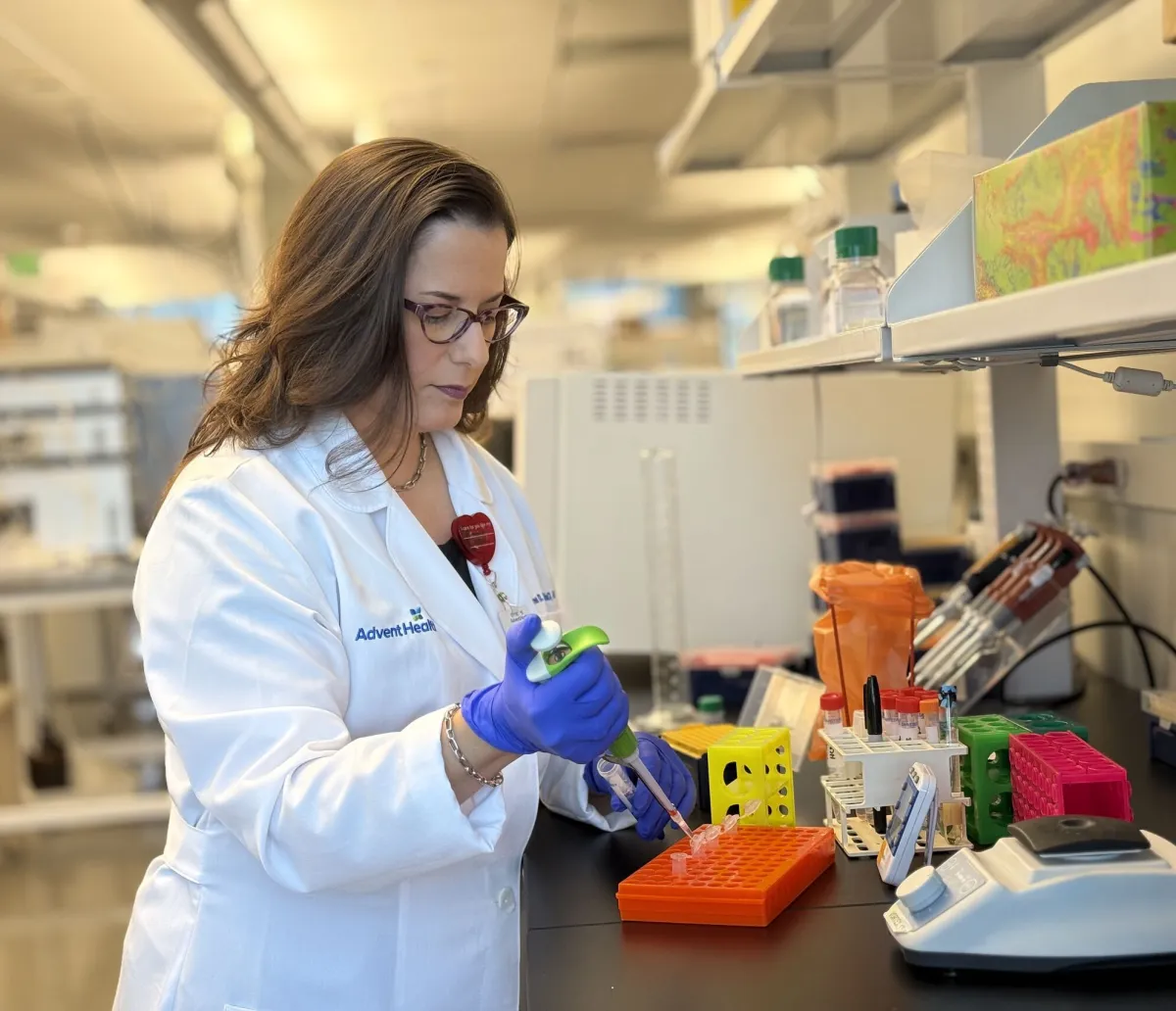
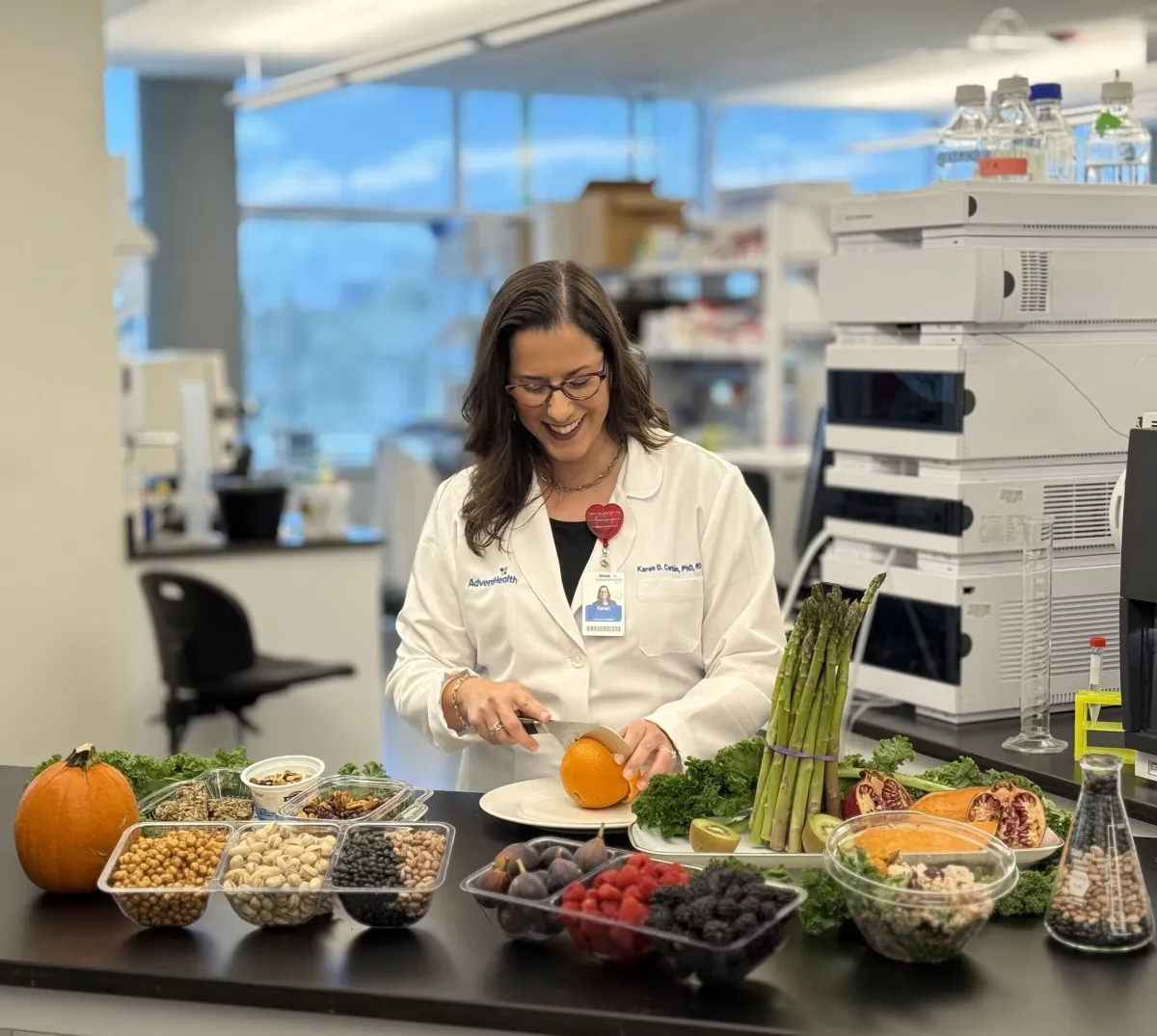
Karen Corbin, Ph.D., is a nationally recognized nutrition scientist, published author and Associate Investigator at the AdventHealth Translational Research Institute. In addition to her expertise in metabolism, the gut microbiome and personalized nutrition, Corbin specializes in translating complex scientific research into practical, relatable insights. Her groundbreaking study, published in Nature Communications, demonstrated that a microbiome-friendly diet that is low in processed foods can lead to reduced calorie absorption, offering a new perspective on weight management strategies.
“Ultraprocessed foods have changed more than just how we eat – they’ve changed how our bodies respond to food altogether,” Corbin said. “They can disrupt signals between the gut and brain, affecting appetite, mood and even our ability to recognize fullness. It’s not just about calories; it’s about how those calories are processed and perceived. Diet has a domino effect on whole health, influencing physical, mental and even spiritual well-being. The whole-person connection is undeniable.”
“Ultraprocessed foods are engineered for shelf life, convenience and taste, sometimes at the expense of nutrition,” Corbin said. “They can be made with ingredients you likely won’t find in a home kitchen, like artificial colors, flavor enhancers, preservatives and added sweeteners that have known and unknown long-term effects.”
Examples of ultraprocessed foods include flavored yogurts, sweetened cereals, energy and protein bars, packaged breads, snack cakes, sugary drinks and some frozen meals.
Even foods marketed as healthy, like “real” fruit treats or protein snacks, can be highly processed, making it important to read and understand nutrition labels.
When diets high in ultraprocessed foods become the norm, they can have widespread effects on whole-person health, research shows.
“The conversation around ultraprocessed foods is important, but it needs nuance,” Corbin said. “In moderation, these foods can be functional when whole foods aren’t available or practical. They are also critical for planning ahead for emergencies like weather events. Understanding context is key to making informed, balanced decisions.”
That context includes who’s eating the food, not just the food itself.
“Nutrition isn’t one-size-fits-all,” she said. “The impact of ultraprocessed foods can vary depending on a person’s genetics, gut microbiome, overall diet and even factors like sex and ethnicity.”
The good news is that improving a diet doesn’t require completely cutting out ultraprocessed foods. Corbin instead encourages a thoughtful, step-by-step approach to building better habits, one meal or snack at a time.
“Start by choosing foods with simple ingredients that are recognizable and something you’d use in home cooking, incorporating more whole and minimally processed foods like fruits, vegetables, whole grains, beans and lean proteins,” Corbin said. “Be mindful of packaging buzzwords such as ‘natural,’ ‘low-fat’ or ‘fortified,’ which may not always be as natural as they seem.”
It’s not just about a rigid lifestyle “thrown off by one snack or meal.” A balanced diet, she says, is about “patterns of lifelong choices.”
“Understanding what’s in our food helps build a foundation for choices that support long-term health in a way that works for each person’s unique life,” Corbin said.