Colorectal cancer: Alarming increase in people under 50
Why early detection and advocacy matter more than ever


When Ryan Smith, MD, began his career as a surgeon treating colorectal cancer, it was rare for him to see a patient under 50. That’s no longer the case.
“We are seeing it much more frequently, even in patients in their 30s,” says Dr. Smith, a board-certified colon and rectal surgeon with AdventHealth Medical Group Colorectal Surgery at Castle Rock. Recently, he treated a 34-year-old patient with colorectal cancer.
Over the past decade, the rate of colorectal cancer for people over 50 has been declining. But during that same period, the rate for people under 50 has been rising by 2.4%each year.
One in five newly diagnosed patients is 50 or younger, according to the American Cancer Society.
Experts don’t know what is driving the increase. Normal risk factors — family history, certain genetic conditions, and lifestyle factors (like diet and smoking) — don’t explain the rise in early onset cases, Dr. Smith says. “Without knowing what’s causing these cases, we can’t identify who is at risk and screen them,” he says.
Don’t shrug off symptoms
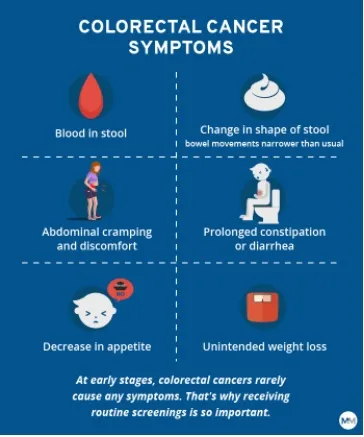
Without screenings to catch cancer at its earliest stages, it’s crucial for people to pay attention to symptoms and see their provider for a diagnosis. Symptoms include:
“It’s really easy to write these off as IBD (irritable bowel syndrome), anxiety, nerves or hemorrhoids,” Dr. Smith says. “But don’t gaslight yourself into thinking your symptoms are nothing. Go get checked out.”
In most cases, symptoms will be due to these more common conditions. But if symptoms persist after treatment, patients need to go back to their provider.
“Be an advocate for yourself,” he says. “Ask whether you should have a colonoscopy; make sure you’re being evaluated completely. Don’t stop until you’re given a definitive answer.”
Personalized treatment
While most patients with colorectal cancer require surgery, each person’s surgery is customized based on a number of factors, including age, genetic make-up of the tumor, lifestyle and personal goals. Dr. Smith factors in quality of life and risk of recurrence for all patients. But for younger patients, he must consider those over the decades — not just years — they may live as survivors. Sexual function and fertility also are considerations that differ by age.
“For a younger patient with a longer life expectancy, I might remove a larger portion of the colon to reduce the risk of recurrence,” Dr. Smith explains. “But if the cancer is located near critical nerves in the pelvis, I might take a more conservative approach to preserve fertility and reduce long-term side effects.
"There’s no one-size-fits-all answer. It’s a conversation,” Dr. Smith says.
Colonoscopy: Screening and prevention
Colonoscopies are tests to examine the inside of the colon and rectum to find colorectal cancer at its earliest, most treatable stage. Doctors also use the test to find and remove growths, called polyps, before they develop into cancer — making colonoscopy the only cancer screening that also prevents cancer.
To address the rise in early onset cases, national screening guidelines were updated in 2021 to recommend a first colonoscopy at age 45 for average-risk adults. People without any known risk factors who have a normal test result won’t have to repeat the test for another 10 years.
Adults with risk factors should talk to their provider about when to start screening and how often to repeat. Risk factors include:
Get screened
If you are 45 or older, or you are experiencing symptoms associated with colorectal cancer, schedule a colonoscopy today with AdventHealth Medical Group Gastroenterology at Castle Rock at Call720-455-3879.

AdventHealth purchases 17 acres in DeLand
AdventHealth is pleased to announce that Albit Paoli, MD, has joined AdventHealth Medical Group Orthopedics & Sports Medicine at Calhoun and AdventHealth Medical Group Orthopedics & Sports Medicine at...
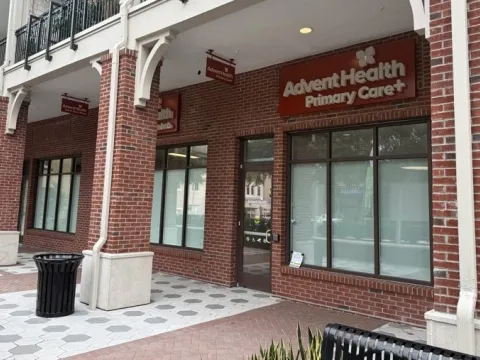
AdventHealth has opened a new Primary Care+ location in the heart of downtown DeLand, giving residents a simple way to get everyday care close to where life happens. The primary care practice offers...

Early practices, full class schedules, and evening games can push student athletes to their limits, and proper nutrition is essential to keeping them strong and focused. AdventHealth has introduced...
AdventHealth Medical Group Cardiology at Dalton has earned a three-year accreditation in Nuclear Cardiology from the Intersocietal Accreditation Commission (IAC).
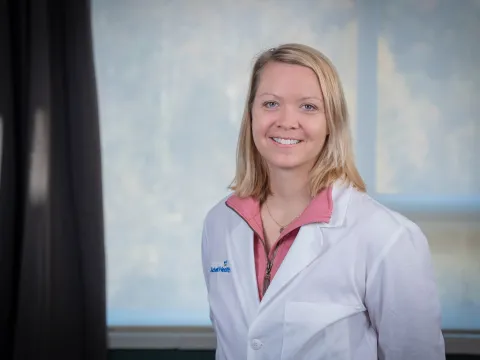
AdventHealth is welcoming Beth Mitchell, PA-C, an experienced orthopedic provider bringing warm, whole-person care to patients across Haywood County and the surrounding Western North Carolina region.

It was a day like any other — until the phone rang. For Ellison’s mom, that call froze time: “You need to get here right away.”

Board-certified neurologist Dr. Zarmina Mufti has joined AdventHealth Medical Group and is now caring for patients at AdventHealth, expanding access to expert, whole-person neurological care for...

When Marc Marasigan went to the Emergency Department at AdventHealth Sebring, he thought he was dealing with a stubborn fever and some back pain. Instead, that visit uncovered a kidney stone and a...
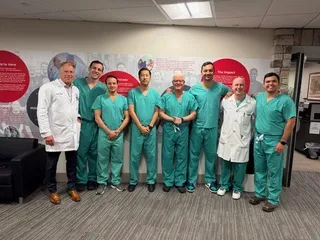
The international program that brings leading knee surgeons together to learn, collaborate and elevate the future of joint care.
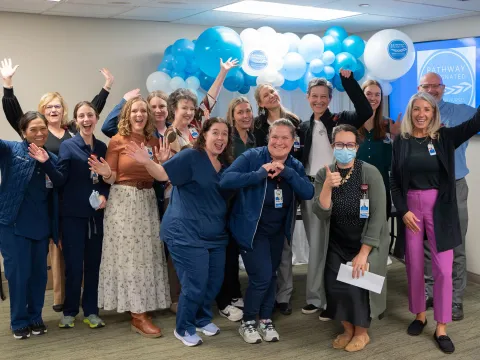
AdventHealth Hendersonville has been designated as a Pathway to Excellence® organization by the American Nurses Credentialing Center (ANCC), a recognition that highlights the hospital’s commitment to...
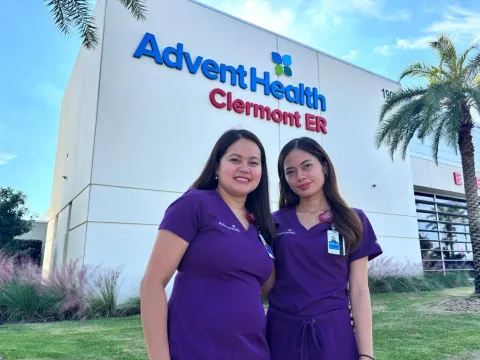
After seven years apart, sisters Maricar Olsen and Ermeliza Ortiz were reunited in a place they both now call home. Their journey from the Philippines to Central Florida is a story of faith, family...
