

The Ahn family’s life was turned upside down when their 5-year-old daughter Faith, without warning, began having seizures. In every other way she seemed perfectly healthy, but suddenly, Faith’s eyes would start moving rapidly, darting left and right.
At first, it happened just once. Then again and again. And soon, the seizures were happening multiple times a day. Yohan and Jaclyn Ahn, of Oviedo, decided to take Faith to AdventHealth for Children in Orlando, recognized by Newsweek as having the best pediatric neurology program in the state.
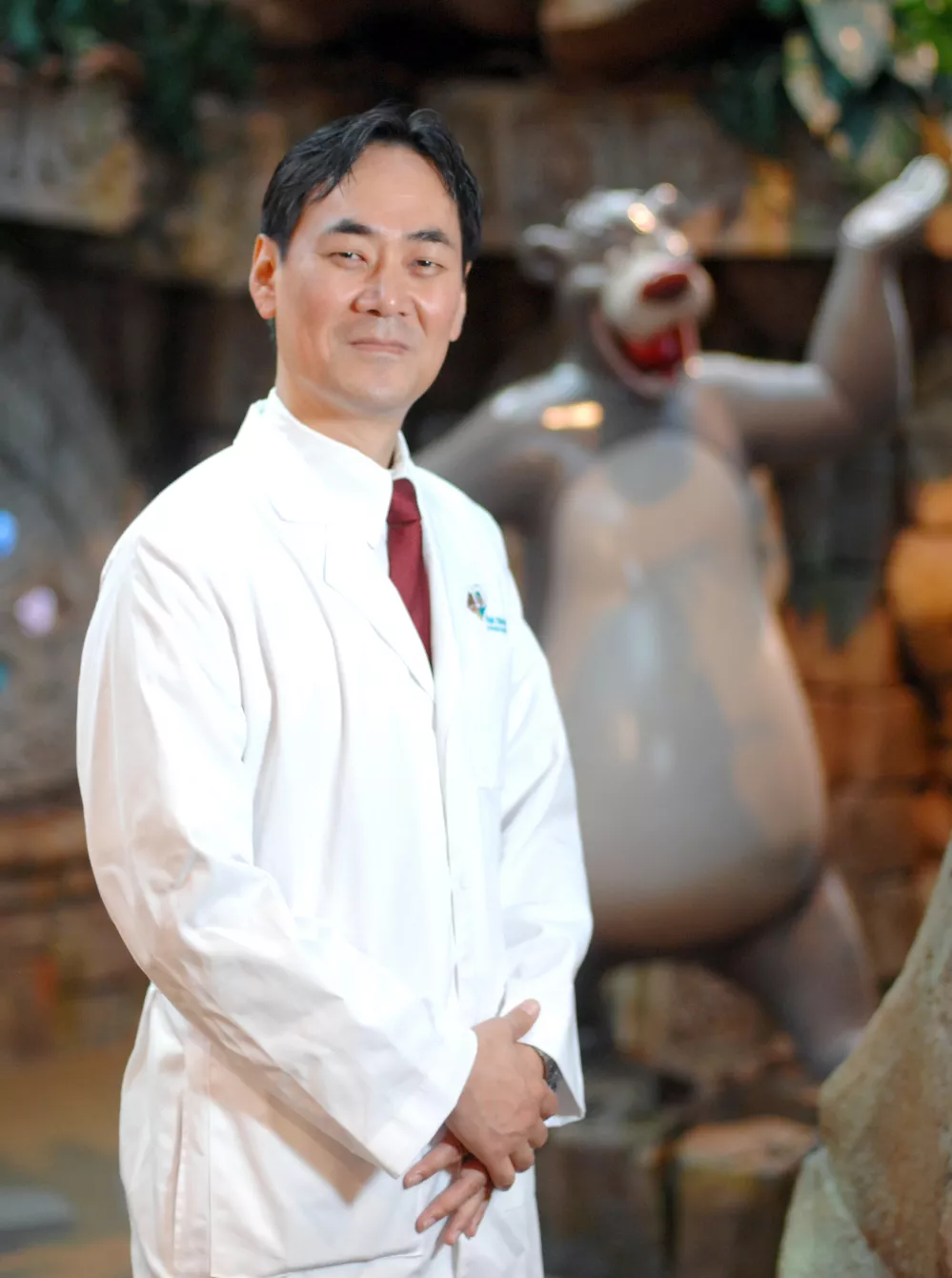
Faith was seen by Dr. Ki Hyeong Lee, a board-certified neurologist and epileptologist and medical director of AdventHealth for Children's pediatric epilepsy center, one of the largest and most comprehensive in the nation.
An EEG – a test measuring electrical activity in the brain – revealed that Faith was having even more seizures than her parents could see, sometimes as many as 30 a day.
“With typical epilepsy, children have a seizure one day and then another seizure weeks or months later,” Dr. Lee explained. “What’s different about Faith’s case is she had no history of seizures and then one day, boom, she had multiple seizures in one day.”
“What’s different about Faith’s case is she had no history of seizures and then one day, boom, she had multiple seizures in one day.” — Dr. Ki Hyeong Lee
A noted researcher known internationally for his expertise in the field of neurophysiology and epilepsy, Dr. Lee recognized the condition: febrile infection-related epilepsy syndrome, known as FIRES Syndrome, a one-in-a-million and potentially fatal diagnosis.
Dr. Lee recognized the condition because he’d treated it before, only about 10 times in his 30-year medical career. Past cases had taught him he needed to be aggressive and move fast, or Faith faced becoming disabled from brain damage and even death.
“The more seizures, the more inflammation,” he said. “You’re basically pouring gasoline on the fire.”
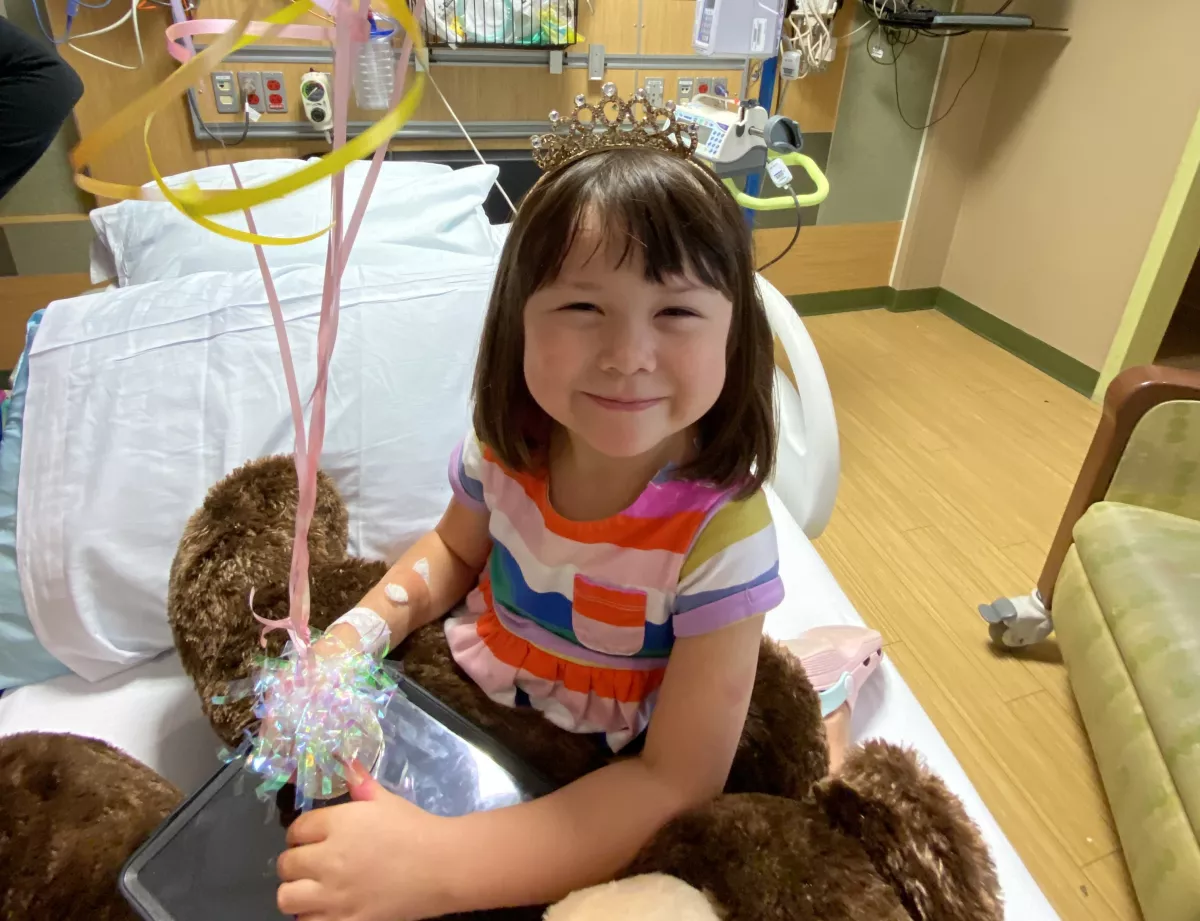
Instead of brain surgery, Dr. Lee proposed an unconventional treatment and prescribed Faith a medication normally used to treat rheumatoid arthritis. Dr. Lee explained that just like the medicine calms inflammation in the joints, the medicine would calm the inflammation in Faith’s brain and stop the seizures.
“Other neurologists may say you have to try everything else before you turn to something more unorthodox, which could take weeks or months. We don’t wait. We usually start treatment within a few days,” Dr. Lee said.
The treatment worked, and today Faith is seizure-free.
That fate had led the Ahns to AdventHealth for Children to be cared for by one of the few neurologists in the world who’s treated FIRES Syndrome, Faith’s parents said “felt like a miracle.”
“The perspective was, ‘We’re going to figure this out.’ Dr. Lee and his team believed that she was going to get better, and I could see hope in their faces,” said Jaclyn Ahn. “I don’t know what I would have done without that guidance and hope and support.”
12 items. To interact with these items, press Control-Option-Shift-Right Arrow. These items are in a slider. To advance slider forward, press Shift-Command-Right Arrow. To advance slider backward, press Shift-Command-Left Arrow.






News
A simple scan saved one local man’s life
Early detection across the AdventHealth East Florida Division is helping more patients find lung cancer sooner — and live longer.
Media Coverage
Robotic surgery in the spotlight
Dr. Abubaker Ali joined FOX 35’s HouseCalls to share how robotic surgery is transforming care for patients across Flagler, Volusia and Lake counties. He highlighted how this technology supports...
News
A new option for hope: Daytona Beach team performs groundbreaking heart procedure
Innovative technique expands life-saving options for patients once considered inoperable.
News
Easing the winter blues: Experts share how to restore wholeness to body, mind and spirit
Connection, movement, light therapy and mindful care can help lift your mood and bring balance back during the darker winter months.
News
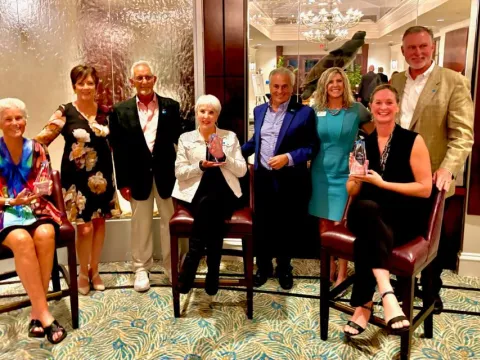
Three local women honored for turning cancer journeys into community healing
The AdventHealth Palm Coast Foundation has named Carla Cline, Nancy Katz-Arceo and Muffy Runnells its 2025 Humanitarians of the Year.
News
New heart procedure helps Lake County residents lower stroke risk
Minimally invasive WATCHMAN FLX Pro procedure offers patients a safer, local option for stroke prevention.
News
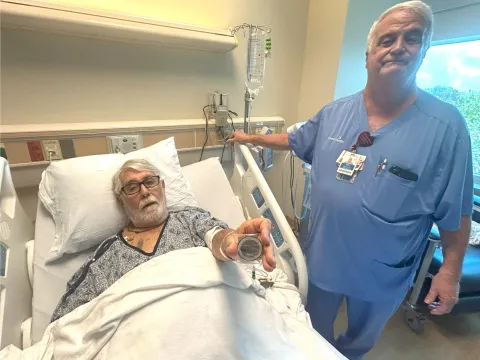
How one caregiver’s simple coin for veterans became a symbol of healing
At AdventHealth Waterman, the small gift honors veterans year-round and turns care into tribute, inviting stories to surface.
News
Q&A: How AdventHealth is redefining nurse growth through whole-person care
AdventHealth’s model for nursing career growth prioritizes nurses’ whole health to support their care for the body, mind and spirit.
News
From Matanzas High School to modern medicine
When Bianca Iglesias decided to become a nurse practitioner, her goal was simple: to care for people the way she saw her grandfather cared for during his final days.
Media Coverage
Doctors agree: There's no quick fix for a cold, but these tips can make it more bearable
Waking up with a cold isn’t anyone’s idea of a good time.
News
Routine test leads Palm Coast man to lifesaving robotic surgery
What started as a routine at-home screening turned into a life-changing experience for Doug Fritz of Palm Coast, one that reminded him of the power of modern medicine and the compassion behind it.
Media Coverage
AI will push health care toward 'segments of one,' AdventHealth exec says
AI could transform healthcare personalization -- moving from broad population segments to individualized "segments of one."