Your Emotional Well-Being Is Our Priority
Healing starts from within. That's why we're dedicated to connecting you with the mental health resources, support and expert guidance you need to feel like yourself again. Here, you’ll find a compassionate team of practitioners who are dedicated to helping you thrive in body, mind and spirit.
Expert Care Provided With Empathy
-
Whole Care the Whole Way
Healing your body. Calming your mind. Nurturing your spirit. It’s our philosophy of delivering complete care to comfort you along the journey to wellness.
-
Specialists on Your Side
Rely on an expert team of neuropsychologists and other mental and behavioral health experts to diagnose and treat your condition with empathy and understanding.
-
Comprehensive Treatment Services
Get the support you need, whenever and however you need it. We provide a variety of services, including comprehensive evaluations, psychotherapy, medication management and even deep brain stimulation.
Customized Mental Health Treatment Plans With You in Mind
Your mental health deeply impacts your physical health. Together, we can help you recenter, balance your mood and find solutions that help you feel whole every day with treatments that are tailored to your unique needs.
- Deep Brain Stimulation
-
Deep brain stimulation therapy uses electrical impulses in the body to treat motor, mood or cognitive disorders. Our skilled physician team is trained in the latest techniques, treating conditions ranging from depression and bipolar disorder to symptoms of Parkinson’s disease.
Treatment for Depression
While most people experience temporary feelings of sadness at some point during their lives, clinical depression is a long-term, ongoing state of being that often feels inescapable.
Our physician team is constantly looking for new ways to help patients like you achieve peace of mind. Deep brain stimulation (DBS) is an alternative solution when major depression can’t be treated with antidepressants and therapy alone. It’s a procedure that’s also used to treat trembling, stiffness and slow movement — neurological symptoms typically experienced by patients with Parkinson’s disease and essential tremor (ET). The procedure involves surgically implanting a small, pacemaker-like device called a neurostimulator that sends electronic signals to the area in the brain that manages movement.
- Neuromodulation
-
There are two types of deep brain stimulation therapies we use for depression: electroconvulsive therapy (ECT) and transcranial magnetic stimulation (TMS).
Electroconvulsive Therapy (ECT)
This therapy is often used for patients with bipolar disorder, schizophrenia or severe depression who have not had success with traditional interventions, like medications and psychotherapy. Additionally, ECT can also be used on patients who are at risk for severe depression. After two to three sessions, many patients notice an improvement in their symptoms.
Transcranial Magnetic Stimulation (TMS)
This non-invasive therapy is for adults who have depression but have not had any success with antidepressant medication. To alleviate symptoms, TMS focuses on the specific region of the brain that manages mood regulation. Treatment sessions last around 40 minutes and are performed five times a week for four to six weeks, depending on the condition. Patients should notice an improvement in a matter of weeks, and TMS has the potential to ease all symptoms of depression.
To see if you’re a good candidate for one of our stimulation therapies, your doctor can perform a comprehensive evaluation and screening process.
- Medical Management
-
For a significant number of people, medications are a necessary, effective and safe treatment method when managed and supervised appropriately.
Our physicians always take a personalized approach, prescribing solutions based on in-depth knowledge of your history and current condition, then carefully monitoring your progress.
- Neuropsychology
-
Our team of neuropsychiatrists specializes in studying the connection between the brain and human cognitive, emotional and behavioral functioning. By understanding this intrinsic connection, they can treat neurobehavioral conditions like dementia, Parkinson’s disease, traumatic brain injury, seizure and vascular disorders.
Evaluation and Treatment
Your doctor will do a thorough medical evaluation, testing your cognitive and behavioral abilities, including attention, memory, language, visual ability and sensory-motor skills.
The evaluation may also include:
- Analysis of your medical history
- Completing a standardized test with written, oral or digital questions on a computer
- Interviewing friends and family members
- Manipulation of materials such as puzzles
After carefully considering the results, your medical team will create a specific plan for you that may involve rehabilitation, lifestyle changes, medication, surgery or assisted care.
- Psychotherapy
-
The beginning of a solution starts with an accurate diagnosis. Our experienced mental health experts will conduct a comprehensive psychiatric assessment, examining your complete medical and psychiatric history.
Sometimes, these tests reveal underlying physical conditions, such as chronic pain or more serious conditions. We’ll perform a mental status examination that includes observing your behavior and asking questions to help us get a complete picture of your health.
Other factors we’ll observe include general appearance, speech patterns, expressed emotions, perceptive capabilities and cognitive functioning in terms of your memory, your ability to concentrate and your overall alertness.
Once you’ve received a diagnosis, your doctor will work with you to set up a series of therapy sessions to address any difficulties or obstacles you’re facing. You’ll get a fully customized plan to help you move forward on your journey to wellness.
Request an Appointment With a Mental Health Specialist
Whether you’re experiencing new symptoms or were recently diagnosed, the compassionate mental health care you need is close to home. Request a visit with one of our experienced mental health care specialists to begin a personalized treatment plan that supports your whole health.
Introducing SPRAVATO™
If other depression treatment methods haven’t worked for you, you might benefit from SPRAVATO prescription nasal spray.
SPRAVATO has been approved by the FDA to help heal treatment-resistant depression (TRD) in adults when used together with an oral antidepressant. It targets the N-methyl-D-aspartate (NMDA) receptor and works differently than currently available oral antidepressants.
SPRAVATO is only available at certified SPRAVATO treatment centers under the supervision of a health care professional. We’re here to help you find relief from depression. Talk with your doctor to see if this medication could be right for you.
Devoting All Our Expertise to Helping You Heal
Your healing is our whole focus. From clinical trials that develop new treatments to leading-edge technologies that mean a smoother recovery, we’re dedicated to raising the bar for neurological care with your whole health in mind. Explore how we’ll support you and your loved ones with the most advanced care and the utmost compassion.
Resources
From support groups and educational guides to caregiver support, financial assistance and more, we offer a range of resources to help you and your loved ones better understand and manage your condition.
Research
Innovative care starts with medical research. See how we’re developing new treatments and procedures, leading concussion and brain injury-related studies, conducting clinical trials for stroke care and more.
Technology
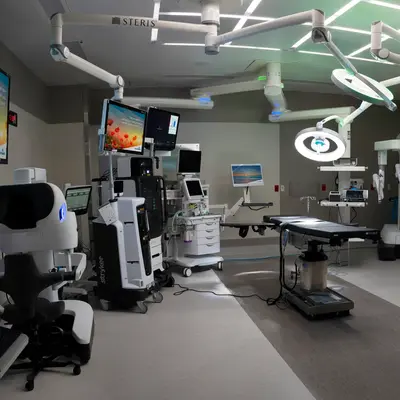
Explore how we use robotic technologies, precise therapies and leading-edge techniques to care for epilepsy, eliminate masses with less pain, treat brain tumors in a matter of hours and much more.
Answering Your Mental Health Care Questions
The more you know about your mental health condition, the more empowered you’ll be as you and your family take care of your whole health. We’re here to answer these frequently asked questions. Your care team will be there to answer additional questions you have — big or small — throughout your journey.
-
Q:Question: How do I know when it’s time to get help for my mental health?
A:Answer:It’s time to seek professional mental health support if you experience distressing changes in your mood, sleep or behavior that last more than two weeks and interfere with your daily life. Key warning signs include persistent sadness, overwhelming anxiety, withdrawing from loved ones or an inability to manage everyday responsibilities.
-
Q:Question: What are mental health symptoms should I never ignore?
A:Answer:Mental health symptoms you should never ignore include thoughts of self-harm or suicide, detachment from reality, extreme mood swings and a severe inability to cope with daily life. Seek help for persistent hopelessness, debilitating anxiety, sudden withdrawal from activities or dramatic changes in sleep and appetite. If you are in crisis, seek emergency care. You can also dial or text 988 to reach the Suicide and Crisis Lifeline.
-
Q:Question: What are the differences between depression, anxiety and everyday stress?
A:Answer:Everyday stress is a short-term, physical and emotional reaction to a specific external trigger. Anxiety involves persistent, excessive fear and worry that linger even after the trigger is gone. Depression is a prolonged mood disorder characterized by sustained low energy, hopelessness and a loss of interest in life.
-
Q:Question: What types of mental health treatments are available?
A:Answer:Mental health treatments generally fall into five primary categories designed to support psychological well-being. Psychotherapy, or talk therapy, involves working with a licensed professional to develop coping strategies for emotional challenges. Medications, such as antidepressants or mood stabilizers, help manage brain chemistry and symptom severity. For severe conditions, specialized therapies like electroconvulsive therapy or transcranial magnetic stimulation may be utilized. Support groups provide valuable peer encouragement and shared experiences, while holistic approaches, like mindfulness, yoga and lifestyle adjustments, can be effective complementary practices to reduce stress and improve overall mental health and quality of life.
-
Q:Question: How do psychotherapy and medication work together in mental health care?
A:Answer:Psychotherapy and medication work together as a comprehensive, holistic approach to mental health care, with medication helping to stabilize brain chemistry and reduce the severity of symptoms like anxiety or depression. By alleviating this immediate distress, therapy becomes more accessible, allowing individuals to actively build long-term coping strategies and address underlying emotional challenges.
Find Mental Health Care Near You
Your mental well-being matters just as much as your physical health, and we want to help you feel whole again. Our experienced practitioners across the AdventHealth Neuroscience Institute network will take the time to get to know you, understand what you’re facing and create a treatment plan that meets your unique needs, whether it includes psychotherapy, medication management or even an advanced treatment like deep brain stimulation. Explore your options for care close to home with the guidance of our dedicated team. We’ll help you find the right fit, so you’re in the best setting to get the care you need.