Make Memories Last With Exceptional Alzheimer’s and Dementia Care
The memories you’ve made — and have yet to make — matter. Within the AdventHealth Neuroscience Institute network, we’ll help you preserve them through comprehensive care for Alzheimer’s disease and dementia that supports your body, eases your mind and lifts your spirit.
Devoting Our Minds to Caring for Yours
-
Care That Puts You First
Your needs and goals are unique, and our care isn't one-size-fits-all. Here, you’ll receive the personalized, one-on-one attention you need to feel supported from day one.
-
Continuous, Seamless Care
No matter where you are in your patient journey, you’ll find care, comfort and compassion from our experienced specialists in Alzheimer’s disease and dementia.
-
Hope and Help for Memory Loss
With the support of our Memory Care Program, we’ll create an individualized treatment plan for you or your loved one, so you can live each day with fewer worries and more confidence.
Preserving Memories With Comprehensive Alzheimer’s Disease and Dementia Care
We treat evaluate, diagnose and treat Alzheimer’s disease and other dementia conditions with a proven comprehensive, whole-person approach. Read more below:
- Signs and Symptoms
-
It can be difficult to know if signs of forgetfulness are the result of natural aging or an illness such as Alzheimer’s disease or other forms of dementia like vascular dementia, dementia with Lewy bodies or frontotemporal dementia. If you or someone you love is concerned about memory loss or other cognitive changes, know that early detection is key to helping create the most effective treatment plan possible.
The first warning sign of dementia and Alzheimer’s disease is the experience of memory loss, but other signs can include:
- Memory loss that disrupts daily life, such as getting lost in a familiar place or repeating questions
- Trouble handling money and paying bills
- Difficulty completing everyday tasks at home, in the workplace or during leisure time
- Decreased or poor judgment
- Misplacing things and being unable to retrace steps to find them
- Changes in mood, personality or behavior
- Problems with movement and sleep
- Risk Factors
-
There are several key risk factors for Alzheimer’s and dementia, including:
- Age (greater than 65)
- Genetics and family history
- Personal health history of diabetes, high blood pressure or high cholesterol
- Head trauma
- Smoking
- Evaluation and Diagnosis
-
Evaluation
We want to know exactly what's causing your memory loss or confusion. To find solid answers, we'll use a combination of physical and mental exams, including:
- Blood and other lab tests
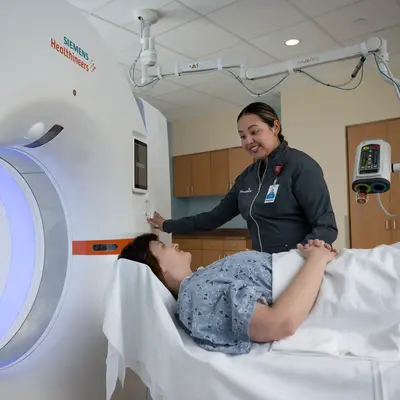
- Brain scans
- Electroencephalograms (EEGs) to measure brainwave activity
- Physical and neurological exams
- Psychiatric evaluation
- Verbal and written tests that measure your memory, cognitive and thinking abilities
Diagnosis
If you are diagnosed with Alzheimer’s disease or another type of dementia, rest assured that you’re not alone on this journey. These conditions are common, and more importantly, you’ve got a world of support. Within the AdventHealth Neuroscience Institute network, you’ve found the right team for your memory care, which makes all the difference in the world for you and your loved ones.
- Treatment
-
If you or a loved one is facing the challenge of dementia or Alzheimer's disease, rest assured that you'll find the right treatments and wholehearted support here with our team. We’ll create a care plan that’s personalized according to your medical history, your family’s medical history and a variety of other factors unique to you.
Together, we'll determine which treatments will be most effective, considering options like:
- Infusion therapy with lecanemab, a medication that helps lower elevated levels of beta-amyloid in the brain to reduce cognitive and functional decline
- Infusion therapy with donanemab, a medication that helps reduce amyloid beta plaques in the brain to slow the progression of Alzheimer's disease
- Mental health counseling to help you navigate mood or personality changes with support
- Physical therapies to stimulate your brain with energizing exercises
- At-home support with social workers and home-care helpers to guide and take care of you
While there isn’t a cure just yet for Alzheimer’s disease and dementia, having the right team to support you can make all the difference in the world for you and your loved ones.
Request an Appointment With a Dementia Specialist
Whether you’re experiencing new symptoms or were recently diagnosed, the compassionate dementia care you need is close to home. Request a visit with one of our experienced Alzheimer’s disease and dementia care specialists to begin a personalized treatment plan that supports your whole health.
Guiding You With Resources and Support
A strong support system goes a long way. That’s why we’ve put together a comprehensive list of patient services. From support groups, wellness programs and a dedicated care coordinator to financial assistance tools, you always have helpful resources and compassionate people to lean on.
Devoting All Our Expertise to Helping You Heal
Your healing is our whole focus. From clinical trials that develop new treatments to leading-edge technologies that mean a smoother recovery, we’re dedicated to raising the bar for neurological care with your whole health in mind. Explore how we’ll support you and your loved ones with the most advanced care and the utmost compassion.
Resources
From support groups and educational guides to caregiver support, financial assistance and more, we offer a range of resources to help you and your loved ones better understand and manage your condition.
Research
Innovative care starts with medical research. See how we’re developing new treatments and procedures, leading concussion and brain injury-related studies, conducting clinical trials for stroke care and more.
Technology
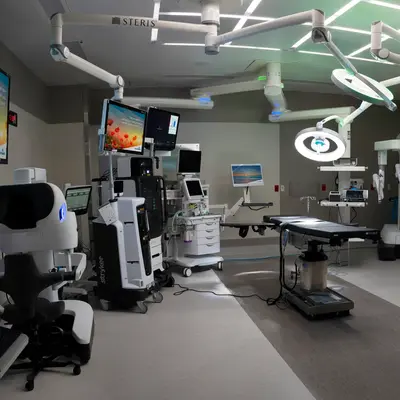
Explore how we use robotic technologies, precise therapies and leading-edge techniques to care for epilepsy, eliminate masses with less pain, treat brain tumors in a matter of hours and much more.
Answering Your Dementia and Alzheimer’s Disease Questions
The more you know about your condition, the more empowered you’ll be as you and your family take care of your health. We’re here to answer these frequently asked questions. Your care team will be there to answer additional questions you have — big or small — throughout your journey.
-
Q:Question: What’s the difference between Alzheimer’s disease and dementia?
A:Answer:Dementia is an umbrella term for a collection of symptoms affecting memory and thinking that interfere with daily life, whereas Alzheimer’s is a specific, degenerative brain disease. Simply put, Alzheimer's is the underlying illness that causes dementia, accounting for most dementia cases.
-
Q:Question: When should I see a doctor for memory loss?
A:Answer:You should see a doctor as soon as memory loss begins to disrupt your daily life, such as struggling to manage bills, misplacing items in inappropriate places or getting lost in familiar areas. It’s also time for an evaluation if loved ones express concern or if you frequently repeat questions and can’t complete once-familiar tasks.
-
Q:Question: What are the stages of Alzheimer’s disease?
A:Answer:Alzheimer's disease typically progresses through three general stages, including: mild (early), where individuals experience general forgetfulness and mild cognitive impairment while still functioning independently; moderate (middle), the longest phase, marked by increasing confusion, personality changes and a need for assistance with daily activities; and severe (late), characterized by a complete loss of communication skills, total dependence on caregivers and severe physical decline.
-
Q:Question: How do I know when my loved one needs more dementia care support?
A:Answer:It’s time to seek more dementia care support when cognitive decline begins to threaten your loved one’s safety, health or personal dignity. Crucial indicators include frequent wandering, missed medications, escalating behavioral changes like aggression or the inability to manage basic personal hygiene. Additionally, if you’re experiencing severe caregiver burnout or feel overwhelmed by their 24-hour needs, exploring professional memory care services is essential.
-
Q:Question: How can families help a loved one with Alzheimer’s or dementia stay safe at home?
A:Answer:Families can secure a home for a loved one with Alzheimer’s or dementia by removing tripping hazards, locking away medications and hazardous cleaning supplies and installing door alarms or deadbolts to prevent wandering. Lowering water heater temperatures to prevent burns, adding bright lighting and nightlights to every room and utilizing stove knob covers also reduce daily risks.
Find Alzheimer’s Disease and Dementia Care Near You
Cherish more memories with a dedicated team at your side. If you or someone you love is worried about memory loss, you’ll find all the strength and support you need from our experienced teams within the AdventHealth Neuroscience Institute network. We take a personalized approach to diagnosing and treating Alzheimer’s disease and dementia, supporting you with continuous care that’s coordinated through a trusted national network. Explore your options for treatment close to home with the guidance of our dedicated team. We’ll help you find the right fit, so you’re in the best setting to get the care you need.