Mastering Menopause: Your Guide to a Whole-Health Transition

Older blonde woman wearing a backpack and smartwatch stands outdoors among sunlit green trees.

Choose the health content that’s right for you, and get it delivered right in your inbox.

Our overall health is determined by many interconnected factors — our nutrition and exercise habits, family medical history, how we manage stress and sometimes a little bit of luck. Our daily choices and circumstances ultimately build the foundation for our future well-being. But there is one natural health transition that affects every woman later in life: Menopause.

While menopause is an inevitable and normal part of a woman’s life, you don’t have to live with disruptive discomfort, and you don’t have to navigate this stage alone. In the United States, the average age for a woman to experience menopause is 51 to 52 years old. If you are approaching this age and have gone 12 consecutive months without a period, congratulations, you’ve officially reached menopause. But the transition leading up to menopause, known as perimenopause, can typically last anywhere from seven to ten years before menopause fully begins.

Q&A With Our Women's Health Expert: Navigating the Stages of Menopause

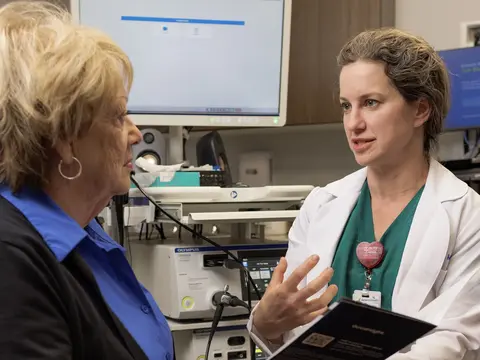
To help demystify the menopause journey, we sat down with Jessica Yoakam, MD, FAAFP, MSCP, a board-certified family physician with AdventHealth Medical Group Primary Care at Prairie Star in Lenexa. Dr. Yoakam specializes in women’s health, including comprehensive menopause care, and she is a certified practitioner with The Menopause Society.

7 items. To interact with these items, press Control-Option-Shift-Right Arrow
How can a woman tell if she is in perimenopause, menopause or postmenopause, and what are the main differences in symptoms?

Dr. Yoakam: “The clinical definition of menopause is reaching 12 consecutive months after your last menstrual cycle. Anything leading up to that point is considered perimenopause. Once you have gone 12 months with no bleeding, you are in postmenopause.

During the perimenopause phase, women will start to experience menstrual changes. This can include shorter or longer cycles, heavier or lighter bleeding, and an increase in PMS symptoms. These shifts often begin several years before menopause fully occurs. Many women begin to notice changes in their cycle in their early to mid-40s. It’s best for women to talk with their doctor yearly at their well-woman exam to be sure these changes are within normal limits."

Are there any symptoms or signs during this timeline that should prompt an immediate doctor's visit?

Dr. Yoakam: "Yes, it’s incredibly important to note that if a woman has any vaginal bleeding after 12 months from her last menstrual period, this is considered abnormal. She should contact her physician right away for a further evaluation to ensure she does not miss an early sign of a precancerous or cancerous change."

Is it normal to feel sick as if something is wrong, even though menopause is a natural occurrence? If so, how long does it typically last?

Dr. Yoakam: "In my medical practice, using the word 'sick' generally indicates an underlying issue that’s not directly caused by menopause. However, many women say they just don’t feel like themselves or as good as they used to.

If you feel this way, I highly suggest keeping track of your symptoms and discussing them with your provider. Some women start to experience hot flashes and other symptoms one to two years before transitioning through menopause, and these can continue for several years after. A small percentage of women will always have mild hot flashes. However, for the majority of women, symptoms last for several years and then gradually decrease in severity."

What are effective and safe ways to manage uncomfortable, disruptive symptoms such as hot flashes, sleep issues and mood changes?

Dr. Yoakam: "There are both pharmacologic and nonpharmacologic ways to manage these changes, which we call the vasomotor symptoms of menopause. First and foremost, a woman must take good care of herself. Make sure to eat a heart-healthy diet, get routine exercise that includes light weights, and prioritize good sleep hygiene.

When symptoms become more severe and deeply disrupt your quality of life, we can use various pharmacologic agents, both hormonal and nonhormonal. Because every individual has a unique set of health risk factors, those details will help guide exactly what medication is recommended for her."

Is hormone replacement therapy (HRT) safe and effective? Are there any risk factors or people who shouldn’t use it?

Dr. Yoakam: "Menopausal hormone therapy, when used for the right patient at the right time, is highly safe and effective. In fact, as we learn from new, emerging medical literature, it can be protective against many conditions associated with aging.

However, there are absolute contraindications to hormone therapy. It should not be used by women who have a history of stroke, hormone-sensitive cancers, or liver conditions such as cirrhosis. It is also contraindicated for anyone who has experienced a blood clot thought to be hormonally related, or those with certain hypercoagulable blood conditions. Finding a physician who knows your full history and carefully evaluates these risk factors is vital to determining your personal safety profile."

What steps can women take to protect their heart and bone health preceding and during this time of life?

Dr. Yoakam: "The hormonal changes during menopause can impact your cardiovascular system and bone density, making proactive habits essential:

  • Follow a heart-healthy diet: The American Heart Association website offers wonderful, practical dietary guidelines. Focus on fresh fruits, vegetables, and lean proteins.
  • Incorporate movement: Make exercise a regular part of your daily routine. The recommendation is for 150 minutes of moderate-intensity exercise weekly.
  • Engage in strength training: Participate in resistance or weight training several times a week to maintain bone density and muscle health.
  • Support your bones nutritionally: Ensure you consume at least two servings of calcium-rich foods daily and maintain healthy vitamin D levels.
  • Know your risk factors: Get your cholesterol checked regularly and know your family medical history. Make sure your provider knows your family history of osteoporosis or heart disease—including which relative was affected—so they can accurately stratify your personal risk."
What words of advice or encouragement do you have for women who are going through this natural life change while also suffering?

Dr. Yoakam: "First, give yourself grace and take good care of yourself. At this stage in life, women are often in a caregiving role—not only looking after children but also starting to care for aging parents. At the same time, many women are hitting the peak of their careers, which demands a large majority of their time.

If we do not take care of ourselves, we cannot successfully take care of others. Find a trusted physician who truly listens to you and works collaboratively to be an active part of your healthcare team.”

Proactive Preventive Screenings to Schedule Today

Beyond diet and exercise, staying up to date on routine health screenings is a crucial pillar of whole-person care during this stage of life. Dr. Yoakam recommends prioritizing the following screenings:

  • Heart Disease Screening: Know your numbers. Heart disease is the leading cause of death in women. Actively monitor and maintain healthy blood pressure and cholesterol levels to reduce the risk of heart attacks and strokes.
  • Breast Cancer Screening: Schedule routine mammograms starting at age 40, or earlier if you have a significant family history.
  • Colon Cancer Screening: Begin screenings at age 45, or earlier, depending on your family history and risk factors.
  • Cervical Cancer Screening: Ensure you are screened every three to five years, depending on whether you receive a Pap smear alone or a Pap smear paired with HPV testing.
  • Skin Exams: Schedule a professional, yearly skin check with your doctor and protect your skin by wearing sunscreen daily in direct sunlight.
  • Sexually Transmitted Infection (STI) Screening: If you’re sexually active, get regular STI screenings, use contraceptives and discuss with your provider whether the HPV vaccine is appropriate for you.

Take the Next Step in Your Whole-Health Journey

Partnering with a medical professional who understands your unique needs can make all the difference to your whole health — body, mind and spirit — during the menopause transition.

Visit us today if you’re ready to find a dedicated primary care provider or gynecologist at AdventHealth who specializes in comprehensive women's care.

Recent Blogs

12 items. To interact with these items, press Control-Option-Shift-Right Arrow. These items are in a slider. To advance slider forward, press Shift-Command-Right Arrow. To advance slider backward, press Shift-Command-Left Arrow.