- AdventHealth
Choose the health content that’s right for you, and get it delivered right in your inbox.
While your primary care or family medicine physician provides services covering a wide range of care, some injuries or illnesses require you to see a specialist. However, it’s not guaranteed that you’ll be able to book an appointment directly with a specialist. It all depends on one factor: your insurance plan.
Some plans require a referral before they’ll cover a specialist visit. Others let you book directly without a referral. Knowing which plan you have and what’s included in a referral can help you get the personalized healthcare you need.
Keep reading to learn which plans require referrals and which don’t, how to find out which plan you have, and what your primary care doctor is checking for when they make one.
If you already know which specialist you need, learn how the referral process goes for the following services: dermatology, cardiology and physical therapy.
Needing a Referral Depends on Your Insurance Plan, Not Your Symptom
Health maintenance organization plans, commonly abbreviated as HMOs, generally require a referral from your primary care provider before your insurance covers a specialist visit. Your primary care provider (PCP) often serves as a guide and gatekeeper, coordinating your care and directing you to specialists as needed.
Preferred provider organization (PPO) plans usually let you see a specialist directly, without a referral, as long as the specialist is in your plan's network.
Exclusive provider organization and point-of-service plans fall in between, and the rules vary by plan, so it’s always a good idea to call your insurance to understand your unique coverage.
Medicare and Medicaid have their own rules, and they vary depending on whether you’re in traditional Medicare or a Medicare Advantage plan. Reach out to customer service to make sure you know what’s covered.
How to Know if Your Plan Requires a Referral
The fastest way to know whether your insurance plan requires a referral is to check your insurance card or your plan's member portal, which will usually list HMO, PPO, EPO or POS directly. If it doesn’t, or you want to be certain, call the number on the back of your card and ask if your plan requires a referral to see a specialist.
It's worth confirming even if you think you already know. Plans change during open enrollment, and an HMO plan from last year doesn’t guarantee an HMO plan this year. If you aren’t sure whether a specific specialist visit will be covered, we recommend asking both your insurance and your primary care office before you schedule with a specialist.
What a Referral to a Specialist Actually Involves
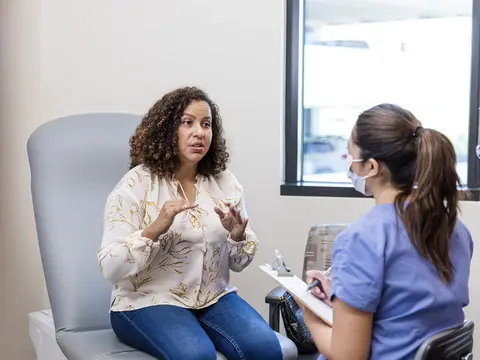
If your plan requires a referral to see a specialist, you’ll need to meet with your PCP first. Sometimes, your concerns can actually be addressed by your doctor without needing to see a specialist. Or, they may recommend trying a medication or lifestyle adjustment first.
If they determine a specialist is best for you, your primary care provider sends an electronic referral with relevant notes, including your health history, what’s already been tried and what they think the specialist should focus on. You then schedule with the specialist, who has that context ready before you arrive. Referrals typically have a window, often 90 days, so if you do not schedule your referral right away, you may need to request another one later.
What Your Primary Care Doctor Does Before Sending a Referral
When your PCP sees you, they will examine you and listen to your concerns before making a referral recommendation. This may include:
- Ruling Out Simpler Explanations: Many symptoms that seem to require a specialist can actually be treated through primary care services, and starting there can save you time and avoid the need for an additional appointment.
- Sending the Right Symptom to the Right Specialist: Referring you to the appropriate specialist is one of the most vital roles your primary care provider plays in ensuring you get the care you need.
- Attaching Your History: A specialist who receives your health history and prior test results already knows vital information about you, which can make your visit more productive.
Those are some of the benefits of being referred by a PCP — and their referral also helps keep them informed about your overall health journey. A study in the Journal of General Internal Medicine compared patients referred by their primary care physician with those who self-referred. Among those referred by their PCP, 50% said their PCP was informed and up to date on the specialist care they received, compared with 35% of those who self-referred. Additionally, 66% said their PCP later discussed the specialist visit with them, compared with 47% who self-referred.
Learn more about the differences between a PCP and a specialist.
When Direct Access Visits Can Be Better Than Referrals
If you’re on a PPO or another no-referral insurance plan and already have a strong reason to see a specific specialist, going directly can be the right choice. Several reasons for a direct-access specialist visit include:
- A previous doctor has already recommended a specific type of specialist
- You’re managing a known chronic condition and need to see the specialist you already work with
- You’ve had this exact issue before and know it needs the same specialist
However, it's always best to tell your primary care doctor afterward. It keeps your full history in one place, which matters the next time something new comes up and someone tries to connect you with the right care.
When Referrals To a Specialist Aren’t Needed
While certain health concerns require you to see a specialist, emergencies never do. Call 911 or visit your nearest emergency room if you experience chest pain, difficulty breathing, sudden severe pain, sudden weakness or numbness or anything that feels like an emergency. For something urgent that isn’t a medical emergency, urgent care is usually the faster option, and most plans don’t require a referral.
Connecting You With the Care You Need
Knowing whether you need a referral to see a specialist can be challenging, but our dedicated primary care providers are here to help. Learn more about our primary care services or schedule a visit with one of our physicians to get connected with the care you deserve. You never have to navigate your healthcare alone.
Recent Blogs
Your End-of-Year Health Checklist to Maximize Insurance Benefits
Learn more about how to maximize your insurance benefits by using our checklist and how we can partner with you to get the most out of your health care.
Probiotics vs. Prebiotics: Benefits and Food Sources
Learn how probiotics and prebiotics differ, which foods contain them and what to consider before choosing a supplement.
What Recovery from Knee Replacement Surgery Looks Like, Week by Week
Learn what recovery from knee replacement surgery may look like week by week, from your first steps after surgery to returning to daily life
A Guide to Conceiving With PMOS
Learn how PMOS affects fertility and ovulation, plus lifestyle changes, treatments and support that can help you take the next step toward pregnancy.
Is PMOS Treatable? Understanding Your Options
PMOS, formerly PCOS, has no cure, but lifestyle changes, hormonal therapies and metabolic treatments can help manage symptoms and support long-term health.
Nutrition and PMOS: What Evidence Supports
Learn what research shows about eating with PMOS, formerly PCOS, including evidence-based dietary patterns, their benefits and what remains uncertain.
Is There a Blood Test for Cancer? What Is Actually Recommended for Women and Finding Your Path
Blood tests are widely marketed for cancer screening. Here is what guidelines recommend for women, and why one common blood test is not advised.
Comparing Colorectal Cancer Screening Options: From Colonoscopy to Home Test Kits
Compare colorectal cancer screening tests, including colonoscopy and home stool tests, and learn how to choose a screening schedule with your doctor.
Flu Complications: Who Is at Higher Risk and When to Get Help
Learn who is at higher risk for flu complications, what warning signs to watch for and when to seek urgent or emergency care.
Foods and Nutrients That Support a Healthy Immune System
Learn which foods and nutrients support immune function, why vaccines still matter and how everyday habits help protect your health.
Genetic Counseling and Testing for Cancer Risk: What to Expect
What happens in cancer genetic counseling, why assessment comes before testing, what a result can and cannot tell you, and how it changes screening.
Understanding Your Risk: Cancer Screening When It Runs in the Family
How family history changes cancer screening, which patterns matter most, why both sides of the family count, and when to ask for genetic counseling.