Can You Actually Increase Your Lung Capacity?

Father and son jogging together on a wooden bridge surrounded by lush greenery

Choose the health content that’s right for you, and get it delivered right in your inbox.

On average, you take 22,000 breaths per day. Because your lungs are constantly being used, it’s important to keep them healthy and strong. One way to do this is by prioritizing your lung function. But have you ever wondered if you can increase your lung capacity?

We sat down with Lung Health Program Coordinator Gloria Bailey, MPH, RRT, CHES, CTTS, to better understand what actually improves your lung capacity, including the breathing exercises worth practicing, the workouts that do the real work, what yoga and high-altitude training can and can't do and the symptoms that mean seeing a doctor rather than training harder.

Understanding Lung Capacity

While lung capacity and lung function sound interchangeable in conversation, they’re entirely different. “Lung capacity refers to the amount of air your lungs can hold, while lung function describes how well your lungs can move oxygen into your bloodstream and remove carbon dioxide,” said Gloria. Someone can have normal lung capacity but have reduced lung function due to conditions such as asthma or COPD.

The truth is that the most air your lungs can hold is mostly determined by what you can't train, including your height, your build, your age and your sex. No workout and no breathing drill meaningfully enlarges that volume in a healthy adult. What does change, and changes a lot, is how much of your capacity you use, how efficiently you move air and how long you last before you're winded.

Breathing Exercises to Increase Lung Capacity

“Breathing exercises like pursed-lip breathing and diaphragmatic breathing can help reduce shortness of breath, improve breathing and help with relaxation. While these exercises don’t increase lung size, some people can notice improvements in breathing control and exercise tolerance after several weeks when practiced,” explained Gloria. Examples of breathing exercises that can help include:

Diaphragmatic Breathing

Belly breathing means leading with your diaphragm instead of your chest. To practice diaphragmatic breathing, sit tall with one hand on your chest and one on your stomach, and breathe so the lower hand rises while the upper stays still. This technique reduces respiratory demand and improves both breathing pattern and ventilation efficiency.

Pursed-Lip Breathing

Breathe in through your nose for about two counts, then breathe out slowly through pursed lips — as if cooling soup — for four seconds. The narrow opening creates gentle back pressure, keeping the small airways open longer. Most formal research on this technique has been conducted in people with COPD rather than in healthy adults. Pursed-lip breathing prevents small airways from closing early, improves gas exchange, and lowers both minute ventilation and respiratory rate during exercise.

Deep Breathing Exercises

To practice deep breathing, start with a slow, full inhale, a brief hold, and a long, controlled exhale. Most people default to shallow upper-chest breathing throughout the day, so fully expanding the lungs keeps the chest wall and lower lobes active. It won't raise the oxygen in your blood at rest, but it keeps full breaths available.

Breathing Exercises for Athletes

Breathing techniques for athletes are less about building lung capacity and more about using it effectively. The muscles you breathe with need their own blood flow, and when they fatigue, they begin to compete with other parts of the body for energy. However, training your lungs lowers the energy expenditure required and builds your endurance.

Yoga and Meditation for Respiratory Health

Yoga for Lung Capacity

Yoga poses that open the front of the chest stretch tissues in your body that become short from sitting. When the chest wall moves freely, the ribs expand further for the same effort. While your lung capacity remains unchanged with yoga, the muscles around your lungs work more efficiently, which can make breathing easier.

Meditation and Breathing Techniques

Mindfulness and meditation train attention and breath awareness — noticing the breath without steering it. Because stress makes breathing faster, shallower and more chest-driven, meditation is an effective way to support your respiratory and mental health.

Exercise and Workouts That Improve Lung Capacity

“Regular aerobic exercises like walking, cycling, swimming, and dancing improve cardiovascular fitness and help your body use oxygen more effectively. Yoga and strength training can also improve breathing mechanics, posture and respiratory muscle endurance,” explained Gloria.

However, before you start, talk with your doctor, especially if you have a heart or lung condition, have been inactive a long time or are a current or former smoker. Stop and get medical help for chest pain or pressure, shortness of breath, dizziness, fainting, an irregular or racing heartbeat or bluish lips or fingertips.

Aerobic Exercise

Aerobic exercise is sustained, rhythmic effort at a pace where you can talk but not sing. It's the most reliable way to improve lung function naturally because it strengthens the heart and builds blood supply in working muscles. Aerobic workouts don't have to be hard to count. Even a brisk walk counts toward building your aerobic endurance.

Walking

Walking is a free, low-impact and easy-to-build-on exercise that can greatly impact your lung health.

Running

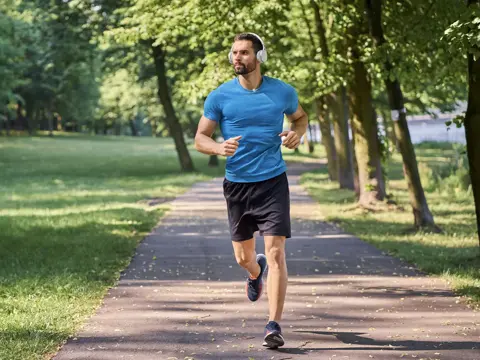
Running quickly increases ventilation demand, which is why it builds cardiorespiratory fitness so efficiently. It's also high-impact, so be sure to build up gradually.

Cycling

Cycling is a strong aerobic exercise with far less joint impact than running. The gears let you dial in the resistance, helping you pace yourself as you build your endurance.

Rowing

Rowing requires you to use your legs, back and arms at once, so it drives a larger oxygen demand per minute of work, helping you to build your endurance.

Swimming for Lung Capacity

Swimming is one of the best exercises for optimizing lung efficiency. While you swim, you can't breathe whenever you want — the stroke dictates when, so the entire workout is controlled breathing. On top of that, water pressure on the chest makes the breathing muscles work harder, and you build endurance alongside a demanding full-body workout. The volume of your lungs still isn't what changes.

Interval Training

Interval training alternates hard efforts with easier recovery — 30 seconds fast, 90 seconds easy, repeated — and builds cardiovascular fitness more quickly than steady work. Beginners should keep the effort honest but not maximal, make recovery generous and cap sessions to one or two per week. Over time, interval training will help you gain control of your breathing and optimize your lung efficiency.

Endurance Training

Endurance training leads to gradual improvements in respiratory health. It consists of longer, easier sessions that build stamina. Three or four moderate sessions a week over months beats one extreme workout a week.

High-Altitude Training

High-altitude training is the one method that changes your blood rather than your lungs — and it comes with real caveats.

How High-Altitude Training Works

At high altitude, there's less oxygen pressure in the air, so each breath delivers less oxygen. But if you stay long enough, the body adapts. Over several weeks, the breathing rate rises, and the body produces more red blood cells, improving how much oxygen the blood carries. The result is better oxygen efficiency back at sea level. However, lung capacity is not part of that adaptation.

Benefits and Risks

For trained endurance athletes, the performance gains from high-altitude training are real but modest. Risks of this type of training include altitude sickness, dehydration and disrupted sleep. Anyone with a heart or lung condition, uncontrolled high blood pressure, sickle cell trait, prior altitude illness or who is pregnant should not attempt it without talking to a physician first.

Nutrition and Lifestyle for Better Lung Health

“Healthy lungs benefit from healthy habits. Staying active, avoiding tobacco and vaping, keeping up to date on vaccinations, practicing good breathing techniques and seeking care early if symptoms develop all support lifelong lung health,” said Gloria.

Foods That Support Lung Health

Although there isn’t a single food that boosts your lung health, a nutritious diet can nurture a healthier body over time. Foods that may benefit your lung health include fruits and vegetables, which supply antioxidants that counteract oxidative stress in airway tissue, such as leafy greens, berries, peppers and tomatoes. Omega-3s from fatty fish, walnuts and flaxseed also support a healthier inflammatory balance.

Lifestyle Habits

Incorporating healthy lifestyle habits is one of the best ways to keep your lungs healthy. Among the top is quitting smoking. Other habits that can nurture your lung health include regular exercise, protecting your sleep and monitoring air quality.

Posture and Lung Function

Posture and lung function are linked more directly than most people realize, and it's the easiest thing to fix.

How Posture Affects Breathing

If you’re slumped forward, you physically shrink the space your lungs have to move. A rounded upper back and forward head compress the rib cage, limit chest expansion and shorten the distance your diaphragm can travel. In turn, you compensate by breathing high in the chest, using neck and shoulder muscles that tire fast — a pattern that desk work and phone use reinforce all day.

Posture Exercises for Better Breathing

Chest-opening stretches, like a doorway pec stretch or a foam roller under the upper back, restore length to the front of the chest, allowing you to breathe more deeply. Core strengthening also gives the diaphragm a stable base.

Who Should Talk With a Healthcare Provider?

“If you’re experiencing ongoing shortness of breath, wheezing, chronic cough, chest discomfort or a hard time keeping up with normal daily activities, it’s important to talk with your healthcare provider. Early evaluation can identify treatable conditions and may include pulmonary function testing or other diagnostic studies,” explained Gloria.

Helping You Take Your Next Breath With Ease

Whether you’re struggling with breathing issues or have been recently diagnosed with a respiratory illness, know that we’re here to help. Our wellness care providers build personalized treatment plans around your unique goals so you can get back to what matters most. Find a pulmonary specialist near you for the care you deserve.

Frequently Asked Questions

6 items. To interact with these items, press Control-Option-Shift-Right Arrow
Can You Increase Lung Capacity?

You can’t directly increase your lung capacity. The volume your lungs hold is largely set by your height, age, sex and build, and training doesn't meaningfully enlarge it in a healthy adult. What you can increase is how efficiently you use that capacity and how long you sustain effort. A systematic review of respiratory muscle training in healthy people found improvements in respiratory muscle strength, endurance and economy, and better endurance performance in cycling, running, swimming and rowing — with the gains coming from how well the breathing muscles work, not from static lung volume. For people with a lung condition, treatment and pulmonary rehabilitation can help them recover the function that the disease has taken away.

Are the Best Breathing Exercises?

Diaphragmatic breathing and pursed-lip breathing are the two most useful, and they do different jobs: the first builds the habit of breathing low and efficiently, the second helps you regain control when you're short of breath. However, neither changes your measured lung volume.

Does Swimming Improve Lung Capacity?

Swimming improves respiratory fitness more than most sports because the stroke forces controlled breathing, and water pressure on the chest makes the breathing muscles work harder. That builds real endurance and cardiovascular fitness. It still doesn't enlarge your lungs — swimmers use their capacity exceptionally well, which is different.

Can Yoga Improve Lung Function?

Yoga can improve breathing mechanics. Chest-opening poses restore mobility to the rib cage, and yoga's slow breathing promotes a deeper, calmer pattern. It complements aerobic exercise rather than replacing it and isn't a treatment for a diagnosed lung condition.

How Long Does It Take to Improve Lung Capacity?

Breathing control improves the fastest — many people notice a difference within a couple of weeks of daily practice. Cardiorespiratory fitness takes longer: with aerobic exercise several times a week, most people feel less winded within about four to eight weeks, and gains continue to build for months.

What Foods Support Healthy Lungs?

Antioxidant-rich fruits and vegetables — leafy greens, berries, peppers, tomatoes — and omega-3 sources like fatty fish, walnuts and flaxseed are the ones most often recommended for lung health. Hydration keeps the airway mucus thin enough to clear. No food undoes smoking or treats a lung condition, so treat diet as support, not therapy.

Recent Blogs

12 items. To interact with these items, press Control-Option-Shift-Right Arrow. These items are in a slider. To advance slider forward, press Shift-Command-Right Arrow. To advance slider backward, press Shift-Command-Left Arrow.